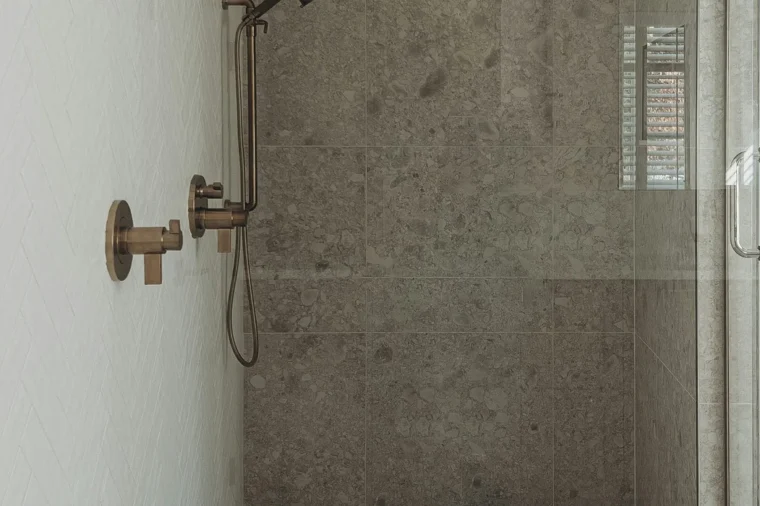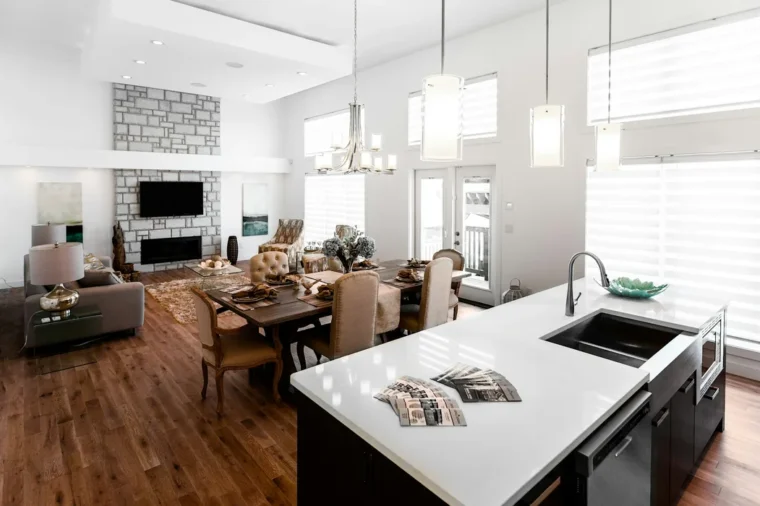
Sheen is how much light a paint reflects, from flat with almost none to gloss with a lot. As a rule, flat goes on ceilings, matte or eggshell on living spaces and bedrooms, satin on busy walls, kitchens and bathrooms, and semi-gloss on trim and doors. Higher sheens wipe clean more easily but show every bump in the wall, so the right choice balances washability against how good the surface looks.
This paint sheen guide works as a room-by-room chart. It starts with the sheen ladder, then gives a recommendation for 12 rooms and surfaces, settles the eggshell vs satin question and explains how wall condition and light change the answer.
Alvin put it together for FIXO, whose interior house painting crews name the sheen for every surface on the quote. The recommendations follow Sherwin-Williams’ published sheen guidance and the defaults our painters use.
What this room-by-room chart covers
Key takeaways
- Low sheens hide flaws; high sheens clean easily but reveal them.
- Flat on ceilings, eggshell or satin on walls, semi-gloss on trim is a safe default.
- Satin suits hallways, kids’ rooms, kitchens and bathrooms where walls get wiped.
- Patched or older walls look better in a lower sheen.
- Sheen names vary by brand, so compare on the brand’s own chart.

Paint sheen guide: the sheen ladder
Every paint sheen guide starts with the same ladder, from least to most reflective. The table sums up what each step looks like and where it works, based on the Sherwin-Williams guide to choosing a paint finish.
| Sheen | Look | Washability | Hides flaws | Typical use |
|---|---|---|---|---|
| Flat | No shine | Lowest, scuffs easily | Best | Ceilings, adult bedrooms, textured walls |
| Matte | Very low shine | Better than flat | Very good | Living and dining rooms |
| Eggshell | Soft glow | Good | Good | Bedrooms, living rooms, most walls |
| Satin | Smooth, pearly | Very good | Fair | Hallways, kids’ rooms, family rooms |
| Semi-gloss | Noticeable shine | Excellent | Poor | Trim, doors, kitchens, bathrooms |
| Gloss | High shine | Excellent | Poorest | Trim, cabinets, doors, furniture |
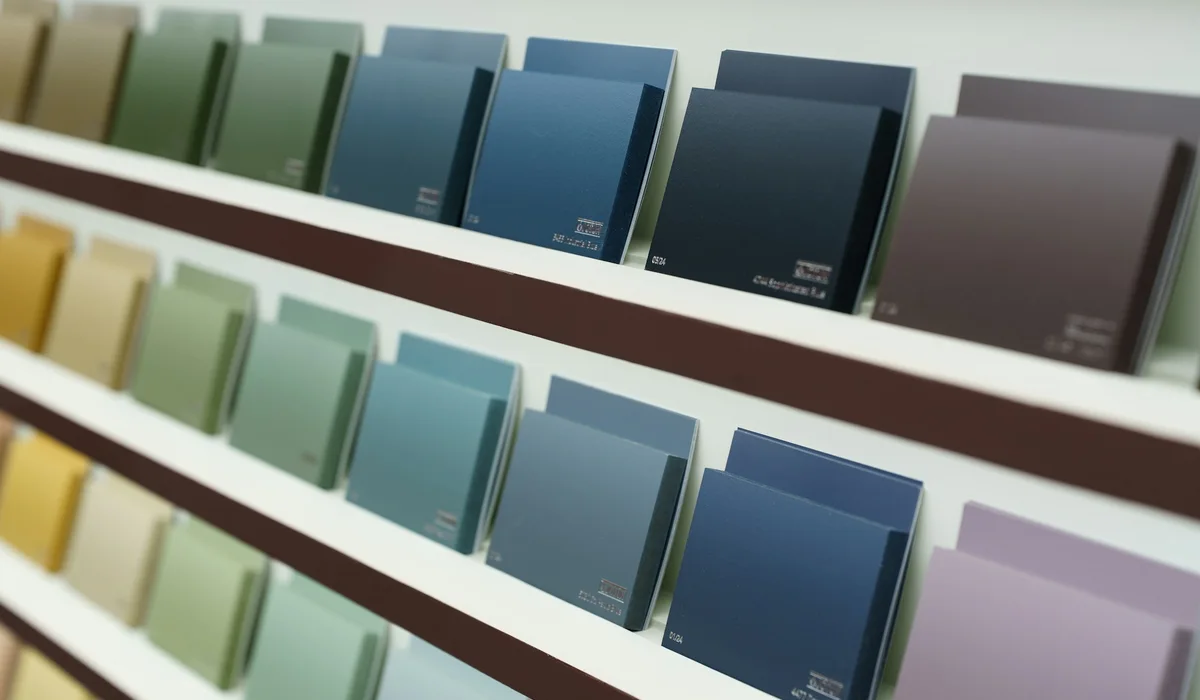
Sherwin-Williams describes flat paint as completely non-reflective but prone to scuffs and stains, and satin as easily washable and ideal for high-traffic rooms. It recommends semi-gloss for trim and moldings and for moisture-prone areas.
Room-by-room paint sheen guide
This is the heart of the paint sheen guide: a recommended sheen for 12 rooms and surfaces, with an alternative when the first choice does not fit.
| Room or surface | Recommended | Alternative | Why |
|---|---|---|---|
| Ceilings | Flat | Matte | Hides seams and roller passes |
| Living room | Eggshell | Matte | Soft look, cleans reasonably |
| Dining room | Eggshell | Matte | Low glare under lights |
| Adult bedroom | Matte or eggshell | Flat | Low traffic, calm finish |
| Kids’ bedroom | Satin | Eggshell | Stands up to scrubbing |
| Hallways and stairwells | Satin | Eggshell | Hands, bags and bumps |
| Kitchen walls | Satin | Semi-gloss | Grease and splashes wipe off |
| Bathroom walls | Satin | Semi-gloss | Handles moisture and cleaning |
| Home office | Eggshell | Matte | Less glare on screens |
| Baseboards and casings | Semi-gloss | Satin | Kicked, wiped and scuffed often |
| Interior doors | Semi-gloss | Satin | Handled daily |
| Cabinets | Semi-gloss or satin enamel | Gloss | Hard, cleanable film |
These paint sheen guide picks match the defaults on our painting quotes: flat ceilings, eggshell or satin walls and semi-gloss trim. Your own rooms may justify a change, which the next sections explain.

Notes on tricky rooms
A few spaces need more thought than the chart can give, and the eggshell vs satin choice matters most in these.
Bathrooms
Moisture is the enemy, so pick a paint made for bathrooms or a satin or semi-gloss from a premium line. Sheen alone does not stop mildew; good ventilation does. Run the fan during and after showers.
Kitchens
Cooking leaves a film on walls near the range. Satin cleans well without the shine of semi-gloss. Behind the range, a tile or panel backsplash beats any paint.
Open-plan spaces
When the living room, dining area and kitchen share walls, use one wall sheen throughout so there is no visible change at an invisible line. Satin or eggshell usually covers all three.
Basements
Basement walls are often less smooth and lit by low windows. Eggshell or matte hides more than satin, and a mildew-resistant formula helps in damp areas.
Stairwells
Tall stairwell walls catch light from many angles and get touched constantly. Satin is practical, but only if the drywall is in good shape.
Eggshell vs satin: which should you choose?
Eggshell vs satin is the most common sheen question, because both are popular for walls and they sit next to each other on the ladder.
| Point | Eggshell | Satin |
|---|---|---|
| Shine | Soft, low | A little higher, smooth |
| Cleaning | Wipes clean with care | Scrubs more easily |
| Shows flaws | Less | More |
| Touch-ups | Blend more easily | More likely to show |
| Best rooms | Living, dining, bedrooms, offices | Hallways, kids’ rooms, kitchens, bathrooms |
The simple rule for eggshell vs satin: choose eggshell where looks matter most and traffic is light, and satin where walls get touched and cleaned. If one room serves both purposes, such as a family room with young kids, satin is the safer pick on smooth walls.
Best paint finish for walls, by wall condition
The best paint finish for walls depends on the wall as much as the room, and this part of the paint sheen guide covers condition. A perfect sheen on a rough wall still looks rough.
| Wall condition | Best choice | Reason |
|---|---|---|
| New, smooth drywall | Eggshell or satin | Smooth surface can take more sheen |
| Many patches or repairs | Matte or eggshell | Lower sheen hides repair edges |
| Older plaster with waves | Matte | Light does not pick out every ripple |
| Textured walls | Flat or matte | Recommended for textured surfaces |
| Long walls lit from the side | Matte or eggshell | Raking light exaggerates flaws in higher sheens |
If you want satin’s washability on an imperfect wall, the fix is prep, not sheen. Our painters patch, sand and spot-prime every repair before paint, which is the difference between a satin wall that looks smooth and one that shows every patch.
In short, the best paint finish for walls in most homes is eggshell, with satin in busy or wet rooms and matte where walls are less than perfect.
How color and light change sheen
The same sheen can look different depending on color and light.
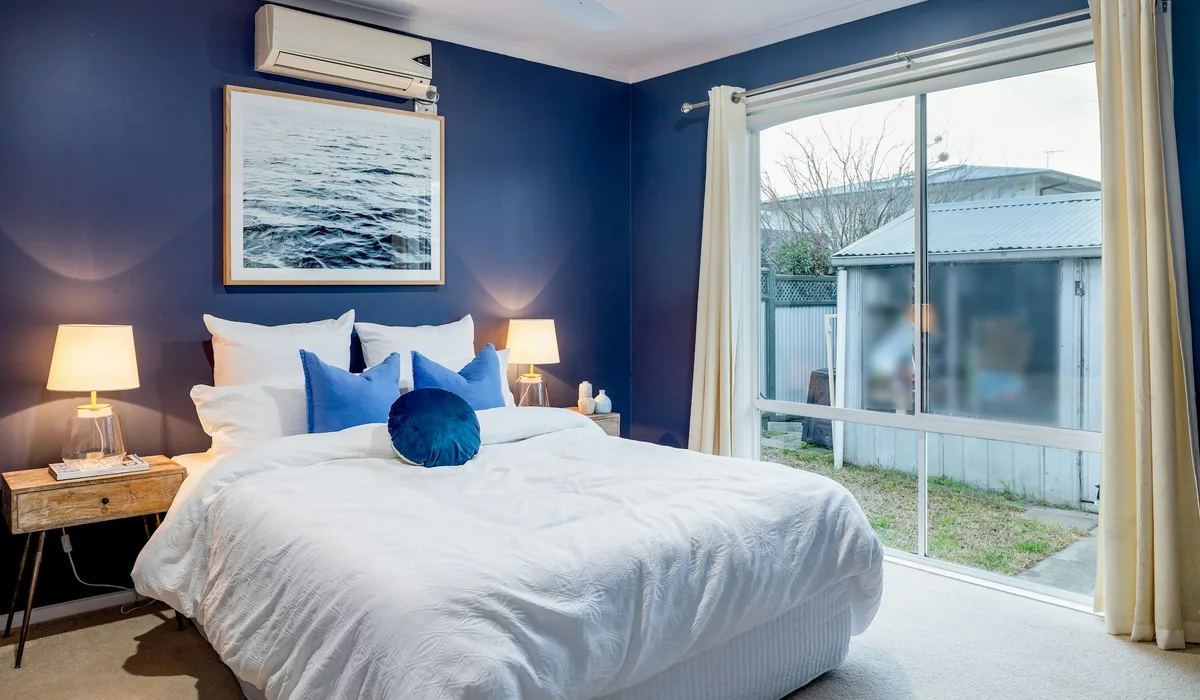
- Dark colors look shinier. Deep navy or charcoal in eggshell can read closer to satin. Many people drop one level for dark walls.
- Light colors hide sheen. White and pale colors make sheen less noticeable.
- Window light reveals flaws. Walls next to windows show surface flaws most in higher sheens.
- Artificial light varies. Recessed lights close to a wall can highlight texture. Look at a sample under your own lights in the evening.
The easiest way to settle the best paint finish for walls in a given room is to paint two large samples, one in each candidate sheen, on the wall itself and look at them at different times of day.
Touch-ups and flashing
Sheen affects how well touch-ups blend. Low sheens usually hide a touch-up well. Higher sheens often show it as a patch that catches the light differently, especially when applied with a brush on a rolled wall.
To keep touch-ups invisible, save leftover paint with the room and sheen written on the lid, apply touch-ups with the same tool used originally, and feather the edges. For large areas, repaint from corner to corner. The same issue appears on ceilings; our guide to painting a ceiling covers flashing in detail.
Mixing sheens on purpose
Using different sheens for walls and trim is normal and looks crisp. A matte wall with semi-gloss trim, or an eggshell wall with satin trim, gives a gentle contrast even in the same color. Some designers paint walls and trim one color in two sheens for a modern, tonal look.
Sheen by surface, beyond walls
Walls get most of the attention, but a complete paint sheen guide has to cover the other surfaces in a room. Each has its own wear pattern.
| Surface | Usual sheen | Notes |
|---|---|---|
| Window sills and stools | Semi-gloss | Condensation and plants; needs a hard film |
| Wainscoting and paneling | Satin or semi-gloss | Lower walls take bumps from chairs and feet |
| Built-in shelves | Satin or semi-gloss enamel | Objects slide across them; softer paints stick and mark |
| Stair risers and stringers | Semi-gloss | Shoes scuff them constantly |
| Handrails and newels | Semi-gloss or gloss | Hands carry oils; a harder film wears better |
| Closet interiors | Eggshell or satin | Rarely seen, but hangers and boxes rub the walls |
| Accent walls with texture | Matte | Keeps the texture from looking blotchy |
For trim and doors, enamels made for woodwork level out brush marks and cure harder than wall paint. Our cabinet painting guide explains why the product matters as much as the sheen on high-use wood.
Six common sheen mistakes
These are the sheen problems our painters are most often called in to fix.
- Flat paint in a busy room. Flat walls in a hallway or kids’ room mark quickly and do not scrub well, so the room looks tired within months.
- Semi-gloss on imperfect walls. Every patch, nail pop and roller ridge shows under a shiny finish, especially near windows.
- Mixing wall sheens in an open plan. Two sheens meeting at a corner in one open space look like a mistake, even in the same color.
- Matching by name across brands. One brand’s eggshell can be close to another brand’s satin, so wall and trim from different lines may not relate the way you expect.
- Touching up glossy paint with a brush. Brushed patches on a rolled satin or semi-gloss wall almost always show.
- Skipping prep to save the sheen. No sheen choice rescues a wall that was not patched, sanded and primed.
Most of these come down to matching sheen to the room’s use and the wall’s condition, which is what the chart and the condition table in this paint sheen guide are designed to do.
How sheen changes prep and application
Higher sheens demand more careful work. A satin or semi-gloss wall needs smoother patches, cleaner sanding and spot primer on every repair, because the shine makes small ridges visible.
Application matters too. Rolling wet-on-wet, keeping a consistent roller nap and finishing each wall without stopping prevents the lap marks that higher sheens show most. Cutting in by brush leaves a slightly different texture, so roll as close to edges as you safely can.
Repainting over a different sheen
Going from a glossy finish to a flatter one, or the reverse, needs a little extra care. Paint struggles to grip slick, glossy surfaces, so scuff-sand semi-gloss or gloss before repainting and wipe away the dust. Clean kitchen and bathroom walls to remove grease and soap film. When changing to a much flatter sheen over an old shiny wall, a primer coat helps the new finish look even.
Cleaning painted walls by sheen
Part of choosing the best paint finish for walls is knowing how you will clean them.
- Flat and matte. Dust gently and spot clean with a damp soft cloth. Scrubbing can leave a shiny patch, called burnishing.
- Eggshell. Wipe with a damp cloth and a little mild soap. Avoid abrasive pads.
- Satin. Handles regular wiping with mild soapy water, which suits hallways and kids’ rooms.
- Semi-gloss and gloss. The most scrubbable. Mild cleaners remove fingerprints and grease from trim and doors.
Whatever the sheen, let new paint cure before washing it. Check the label, because full hardness takes longer than the time it takes to dry to the touch. If you expect to wash walls often, that is a strong reason to go one step up the ladder, which is also the logic behind most eggshell vs satin decisions.
Planning sheens for a whole house
When several rooms are painted at once, a simple sheen plan keeps the house consistent and makes future touch-ups easy.
- One sheen for main living walls. Pick eggshell or matte for living, dining and bedroom walls and use it everywhere those rooms connect.
- One sheen for hard-working walls. Use satin in hallways, kids’ rooms, the kitchen, bathrooms and the laundry.
- One sheen for all trim and doors. Semi-gloss throughout, or satin if you prefer a softer look, but the same everywhere.
- Flat on every ceiling. Unless a bathroom needs a moisture-resistant product.
- Write a paint schedule. List each room with its color, brand, product line and sheen, and keep it with your house records.
This keeps the number of open cans small and means anyone touching up a wall later knows exactly what to buy. On our whole-home jobs, the sheen for each surface is written on the quote room by room, so the schedule exists before the first coat goes on.
If you are unsure about a room, start from the best paint finish for walls in the chart above and only change it for a clear reason, such as heavy traffic, moisture or a wall that is far from smooth.
Sheen names by brand
Sheen names are not standardized. One brand’s eggshell can be another brand’s matte, and some lines add names such as pearl or low lustre. Sherwin-Williams, for example, groups satin and its Eg-Shel finish together in its own guide.
That means two “eggshell” paints from different brands can look noticeably different. Use this paint sheen guide to pick a level, choose the brand, then select the sheen from that brand’s own chart. If you are mixing brands for walls and trim, compare painted samples rather than names. For how much to buy, our paint calculator works for any sheen.
Paint sheen guide FAQ
What is the best paint finish for walls?
For most rooms, eggshell is the best paint finish for walls. Use satin in hallways, kids’ rooms, kitchens and bathrooms, and matte or flat on walls with patches or texture.
Is eggshell or satin better for a living room?
Eggshell suits most living rooms because it has a softer look and hides more. In the eggshell vs satin choice, pick satin only if the room sees heavy use and the walls are smooth.
What sheen should ceilings be?
Flat. It hides seams and roller marks and reflects the least light, which is why our crews use flat or matte on ceilings.
What sheen is best for trim and doors?
Semi-gloss is the common choice for trim and doors because it is hard wearing and easy to clean. Satin is a softer alternative.
Can I use flat paint in a bathroom?
It is not recommended. Flat paint marks easily and does not handle moisture or scrubbing as well. Use satin, semi-gloss or a paint made for bathrooms.
Does a higher sheen mean better paint?
No. Sheen is about light and cleaning, not quality. A premium eggshell can outperform a cheap semi-gloss. Check the product line as well as the sheen.
Next step: get every sheen right
If you would like the choices made and applied for you, our interior house painting crews name the sheen per surface and apply two full coats. For walls and ceilings only, see our color refresh, or for baseboards and doors, our trim painting service. Start with an instant quote.