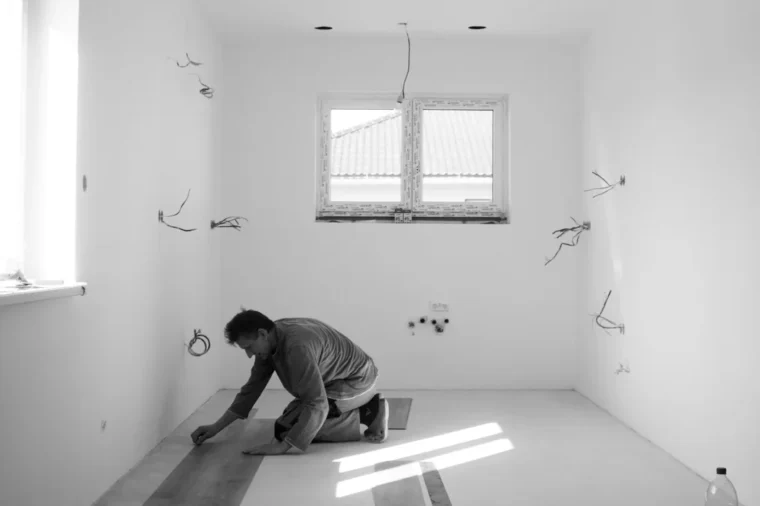
Carpet installation in Maryland is simpler on paper than most flooring work: the Maryland Home Improvement Commission says installing carpet is not home improvement under its law, so no MHIC license is required, and Montgomery County lists floor coverings among jobs that need no building permit. That also means carpet-only jobs fall outside MHIC protections, so a written contract and proof of insurance matter more.
Carpet still earns its place in Maryland homes. Bedrooms in Bethesda colonials, stairs in Germantown townhomes and family rooms in Silver Spring split-levels all benefit from a floor that is quiet, warm and soft underfoot. The difference between carpet that looks good for years and carpet that ripples in a season comes down to product choice and installation.
This guide covers the rules that apply in Maryland, how carpet fits different local homes, specs worth paying for, typical costs, the eight steps of a proper install and what to ask Maryland carpet installers. Alvin wrote it for FIXO, which offers carpet installation across Maryland, Northern Virginia and DC, using state licensing guidance and county permit lists for the local details.
What this Maryland carpet guide covers
Key takeaways
- The MHIC says carpet installation does not need a home improvement license, but tile, wood and other flooring do.
- Montgomery County’s permit list puts floor coverings under work that does not require a permit; HOA and condo rules can still apply.
- Because carpet-only work is outside the MHIC, its Guaranty Fund does not cover it. Get a written contract and a certificate of insurance.
- A dense 8 lb pad and power stretching do more for carpet life than an upgrade in pile height.
- Skip carpet in basements that have ever had water; waterproof vinyl plank is the safer choice.

Carpet Installation in Maryland: Licensing and Permits
Licensing. Maryland regulates home improvement contractors through the MHIC. Its frequently asked questions page states that installing carpet and carpet cleaning fall outside the definition of home improvement, so an MHIC license is not required for that work. The same answer adds that installing tile, wood or other flooring does require a license.
That distinction matters if your project mixes floors. A crew laying carpet upstairs and LVP in the kitchen is doing licensed work, and the contractor should have an MHIC number on the contract.
Consumer protection. The flip side of the exemption is that carpet-only jobs are not covered by the MHIC Guaranty Fund, which can compensate homeowners for certain losses caused by licensed contractors. Protect yourself with a written contract that names the carpet, pad and price, plus proof of liability insurance.
Permits. Montgomery County’s permit guidance lists floor coverings among projects that do not need a building permit. The county notes that its list does not cover municipalities or homeowner associations, so check with your city or HOA if you live in a place with its own rules or in a condo building.
Where Carpet Fits in Maryland Homes
Maryland carpet installers see the same handful of home types again and again across Montgomery and Prince George’s counties.
- Older colonials and Cape Cods (Bethesda, Chevy Chase, Kensington): carpet often covers original oak strip floors. Bedrooms and stairs are common carpet rooms; the main level is often better refinished.
- Split-levels and ramblers (Silver Spring, Wheaton, Rockville): short stair runs between levels and family rooms that see heavy use. Durable fibers and a dense pad pay off here.
- Townhomes (Germantown, Gaithersburg, Clarksburg): two or three flights of stairs, narrow halls and upper bedrooms. Stairs are usually the biggest line on the quote.
- Condos (Bethesda, Silver Spring, North Bethesda): buildings may require sound-rated underlayment and limit work hours or elevator use.
- Finished basements: carpet only when the space is reliably dry, with a moisture barrier pad below grade.
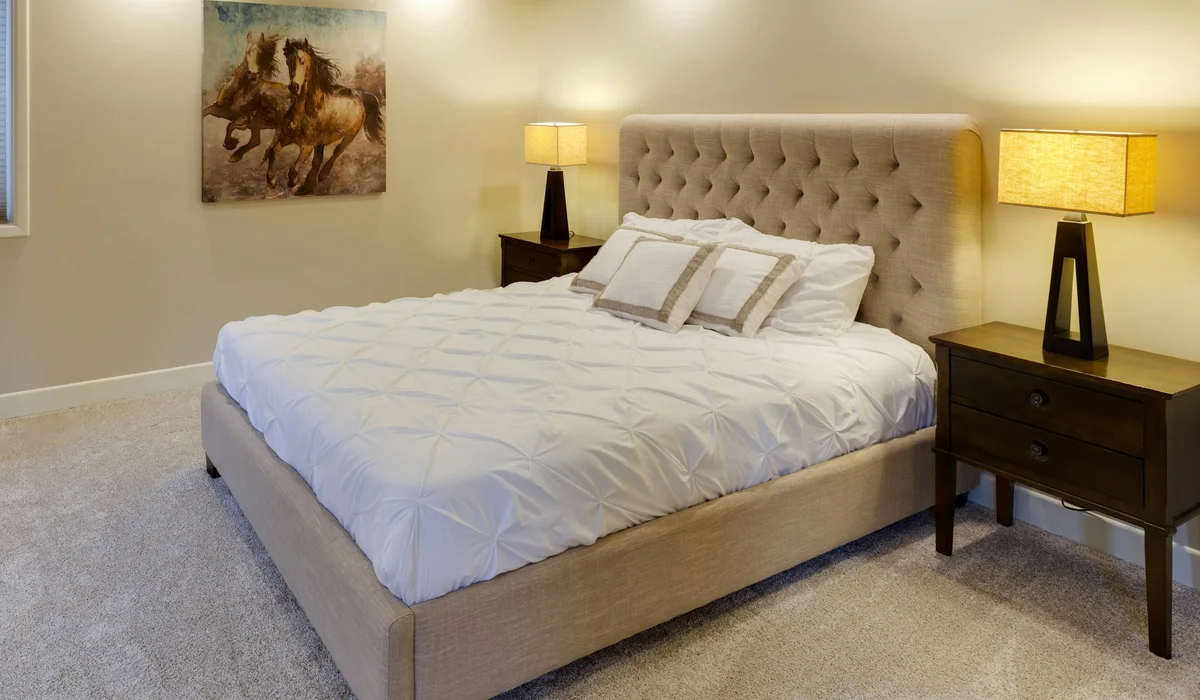
Cabin John Carpet Installation and Older Neighborhoods
Cabin John is a small Montgomery County community along MacArthur Boulevard near the Potomac, best known for the stone Cabin John Aqueduct Bridge. Its streets mix older cottages, mid-century houses and newer infill homes, which is a good snapshot of what installers find in close-in Maryland neighborhoods from Glen Echo to Takoma Park.
Cabin John carpet installation, like work in other older areas, tends to involve a few recurring issues:
- Uneven or creaky subfloors that should be screwed down before new pad goes in
- Narrow or winding stairs that need careful measuring and more labor per step
- Old carpet over hardwood that may be worth refinishing instead of covering again
- Lower levels near the river valley that need a moisture check before any carpet goes down
None of these are reasons to avoid carpet. They are reasons to have the installer look at the house in person rather than quoting from a floor plan. For any Cabin John carpet installation, plan on an in-person measure.

Cabin John Carpet Installation Checklist
Before the measurement visit for a Cabin John carpet installation, or any job in an older close-in home:
- Count the stairs and note any winders or open sides
- Check how much clearance doors have, since new pad may raise the floor
- Lift a corner of old carpet to see what is underneath
- Note any musty smells or water marks in the lower level
- Decide which rooms might be refinished instead of carpeted
Carpet Installation in Maryland by County
The basic rules for carpet installation in Maryland are statewide, since the MHIC exemption applies everywhere. Permits are local.
- Montgomery County: floor coverings appear on the county’s no-permit list. Incorporated cities and towns, and HOAs, may have their own rules.
- Prince George’s County: check with the county permitting office (DPIE) if anything beyond the floor covering changes, such as walls, framing or plumbing.
- Howard, Frederick and Anne Arundel counties: the same pattern usually applies, but confirm with the local building office if the project goes beyond floor coverings.
Condo associations across the state often set their own flooring rules, such as sound ratings, work hours and elevator reservations. Ask management for the written policy before booking Maryland carpet installers, so the crew can plan around it.
Choosing Carpet: Face Weight, Fiber and Pad
Color and texture are personal. For carpet installation in Maryland homes, these three specs decide how long the carpet lasts.
| Spec | What to look for | Why |
|---|---|---|
| Face weight | About 30 oz for bedrooms; 40 oz or more for stairs and family rooms | More fiber per square yard resists crushing in traffic lanes |
| Density | Push your thumb into the pile; a dense carpet hides the backing | Dense carpet outlasts tall, loose pile |
| Fiber | Nylon for durability; triexta for stain resistance with good resilience; polyester for softness in low-traffic rooms | Polyester tends to mat in busy areas |
| Pad | 7/16 inch, 8 lb density rebond; moisture barrier pad below grade | The pad absorbs footfall and protects the backing |
For homes with kids or pets, solution-dyed nylon or triexta is the usual recommendation. Loop styles such as Berber hide dirt but can snag on claws; our Berber carpet installation guide covers when loop pile makes sense and why it needs a thinner pad.
What Carpet Installation in Maryland Costs
Homewyse showed a national range near $5.27 to $7.72 per installed square foot when checked in May 2026, with carpet grade and pad driving most of the spread. Local prices in close-in Montgomery County tend to sit at the higher end of national averages because of labor costs.
What moves a Maryland carpet quote:
- Square footage and room shape: odd angles and closets add waste and seams
- Carpet and pad grade: fiber, face weight and pad density
- Stairs: priced per step, with waterfall or wrapped (cap and band) styles
- Removal: old carpet, pad and staples hauled away
- Prep: new tack strip, subfloor screws, minor leveling
- Furniture: moving beds, dressers and sofas out and back
Ask whether the price is all-in, including tax on materials, delivery and disposal. FIXO quotes carpet as one fixed price after an in-home measurement, with each of these items listed.
8 Steps of a Proper Carpet Installation in Maryland
Experienced Maryland carpet installers follow roughly this order:
1. Measure and Plan the Seams
An installer measures every room and stair and draws a seam plan. Seams should run across the main light source and stay out of doorways and traffic paths.
2. Choose Carpet and Pad at Home
Samples viewed in your own light look different from the store. Confirm carpet style, color, fiber, face weight and pad in writing.
3. Prep the Rooms
Clear small items, closets and anything fragile. Confirm who moves the furniture and whether doors will need trimming for the new height.
4. Remove the Old Carpet
Old carpet, pad and staples come out, and loose or rusted tack strip is replaced. A good crew vacuums the subfloor before going further.
5. Check the Subfloor
Squeaks are screwed down, high nails are set and, in lower levels, moisture is checked. This is the cheapest moment to fix problems.
6. Lay the Pad
Pad seams are butted and taped, never overlapped, and the pad stops just short of the tack strip so the carpet edge grips cleanly.
7. Power-Stretch and Seam
The carpet is seamed with heat tape and the cut edges sealed, then pulled tight with a power stretcher. A knee kicker alone cannot get wall-to-wall carpet tight enough, which is why ripples appear months later. The Carpet and Rug Institute publishes installation standards (CRI 105 for homes) that installers can follow.
8. Finish Stairs and Walk Through
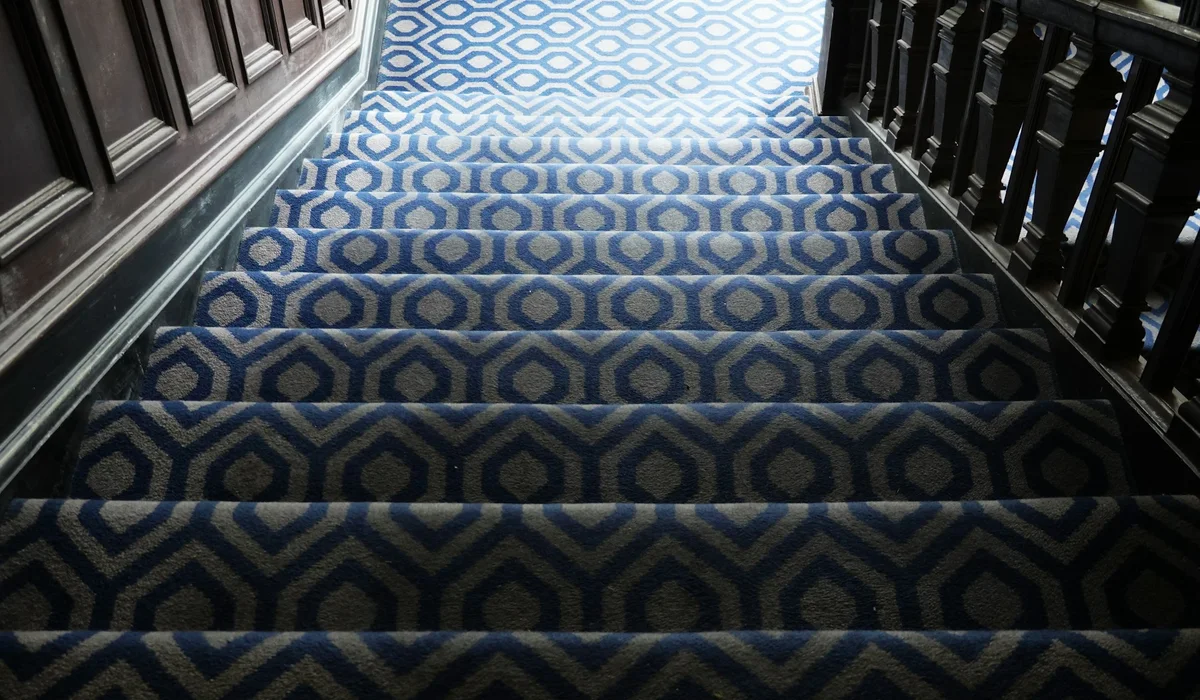
Stairs are wrapped or waterfalled with the pile running down. At the walkthrough, check seams in raking light, edges at walls and doors, and stair noses for tightness.
Hiring Maryland Carpet Installers: Contract Basics
Because carpet sits outside the MHIC, the contract is your main protection. A good agreement from Maryland carpet installers names:
- Carpet style, color, fiber and face weight, plus the pad thickness and density
- Rooms and stairs included, the stair style and the seam plan
- Removal, disposal, tack strip and furniture moving
- The total price, deposit and when the balance is due
- Install date and the workmanship warranty
If you sign in your home, federal rules usually let you back out of a home sale worth $25 or more within three business days; the FTC calls this the Cooling-Off Rule. Keep a copy of the contract with the carpet’s warranty card after carpet installation in Maryland, since you will need both for any claim.
Questions to Ask Maryland Carpet Installers
- Is the price all-in, including pad, removal, disposal, tack strip and furniture moving?
- Which pad thickness and density is included?
- Will you use a power stretcher on every room?
- Where will the seams go, and can I see the seam plan?
- How are stairs priced, and which style do you recommend for mine?
- Will you email a current certificate of liability insurance?
- If the job includes LVP, tile or wood, what is your MHIC license number?
- How long does your workmanship warranty last, and what does it cover?
Clear answers to these questions separate experienced Maryland carpet installers from crews that kick carpet in and leave.
Maryland Basements: When to Skip Carpet
Basements are the trickiest part of carpet installation in Maryland. Many homes here have finished lower levels, and carpet feels great there in winter. The risk is moisture. A slab that wicks dampness or a basement that has taken on water even once can leave pad wet, smelly and moldy.
If the basement is dry and stays under about 60% humidity with a dehumidifier, carpet with a moisture barrier pad can work. If there is any history of water, waterproof vinyl plank is the better long-term floor. FIXO tells customers this even when the carpet job would be quicker. The FIXO guide to waterproof basement flooring weighs each option for lower levels.
What Is Under Your Old Carpet?
Before you book carpet installation in Maryland, pull up a corner of the old carpet. What you find can change the plan.
- Hardwood: common in pre-1970 homes across Bethesda, Chevy Chase and Silver Spring. It may only need refinishing. Our guide to screen and recoat vs refinishing explains the options, and FIXO also offers hardwood floor refinishing.
- Old vinyl tile: 9 by 9 inch tiles from older homes may contain asbestos. Leave them undisturbed and install over them rather than scraping.
- Plywood or particleboard: normal for carpeted rooms. Look for water stains or soft spots that need repair.
- Concrete: check for moisture before carpet goes back down.
Caring for New Carpet
After carpet installation in Maryland’s humid summers, keep the air conditioning running so the new pad stays dry. New carpet can release a faint smell for a few days; open windows and run fans. After that, vacuum high-traffic areas often with a vacuum that has adjustable height, blot spills instead of rubbing, and use walk-off mats at entries. Many carpet warranties call for periodic professional hot water extraction cleaning, so check the terms and keep receipts.
Carpet Installation in Maryland FAQs
Do carpet installers need an MHIC license in Maryland?
No. The MHIC says carpet installation is not home improvement under its law. Installing tile, wood or other flooring does require an MHIC license, so mixed jobs need a licensed contractor.
Do I need a permit to install carpet in Montgomery County?
No. Montgomery County lists floor coverings among work that does not need a building permit. Municipal, HOA or condo rules may still apply.
How much does carpet installation cost in Maryland?
National figures from Homewyse sat around $5.27 to $7.72 for each installed square foot in May 2026. Stairs, removal, pad grade and furniture moving change the final price.
How long does carpet installation take?
Most bedrooms, stairs and upper floors are finished in one day, old carpet and pad removal included.
What carpet pad is best?
For most rooms, a 7/16 inch, 8 lb density rebond pad. Berber and other thin loop carpets need a thinner, firmer pad, so follow the carpet maker’s guidance.
Is carpet a good idea in a Maryland basement?
Only if the basement is reliably dry. If it has ever had water, waterproof vinyl plank is the safer choice.
Plan Your New Carpet
Carpet installation in Maryland comes down to choosing a dense carpet and pad, hiring insured Maryland carpet installers with a written contract, and making sure the carpet is power-stretched with seams tucked out of sight lines.
Whether it is a Cabin John carpet installation in an older cottage or a Silver Spring townhouse with three flights of stairs, FIXO installs carpet at one fixed price. See our carpet installation service, our Bethesda and Silver Spring pages, or request a price through the instant quote form.