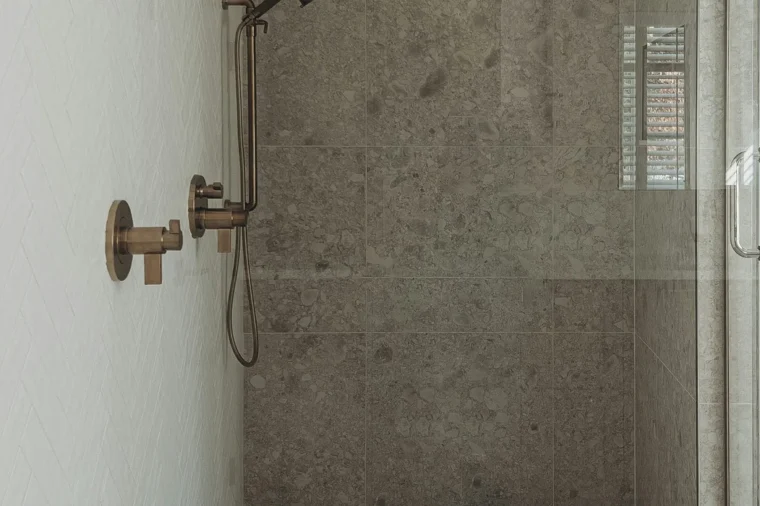
How long does a bathroom remodel take? With one dedicated crew and every material on site, a full bathroom remodel usually takes one to two weeks of construction, from demolition to the last bead of caulk. Moving plumbing, changing the layout, waiting on permits or custom glass can stretch that to a month or more, and planning and ordering often take longer than the build itself.
Most homeowners ask about the schedule before they ask about tile. That makes sense, because a bathroom out of service affects the whole household, especially in homes with only one full bath. The good news is that a remodel follows a predictable order, and most delays come from a few causes you can plan around.
This guide lays out a realistic bathroom remodel timeline, day by day, explains the cure times that cannot be rushed, shows what slows projects down and how to keep yours on track. Alvin wrote it for FIXO, which handles complete bathroom remodels in Northern Virginia, Maryland and DC, using county permit guidance and product data from membrane and grout makers.
What this bathroom timeline covers
Key takeaways
- Construction for a standard full bathroom usually runs one to two weeks when one crew works it start to finish.
- A national Houzz study of 2019 projects found average construction of about three months for primary bathrooms, a figure that includes DIY work, waiting and larger scopes.
- Fairfax County lists bathroom remodels among projects that need a permit, while like-for-like fixture swaps, new vanities and tile replacement do not.
- Grout needs time before water: one popular grout lists 72 hours before intermittent shower use.
- The fastest projects have every fixture, tile and vanity on site before demolition starts.
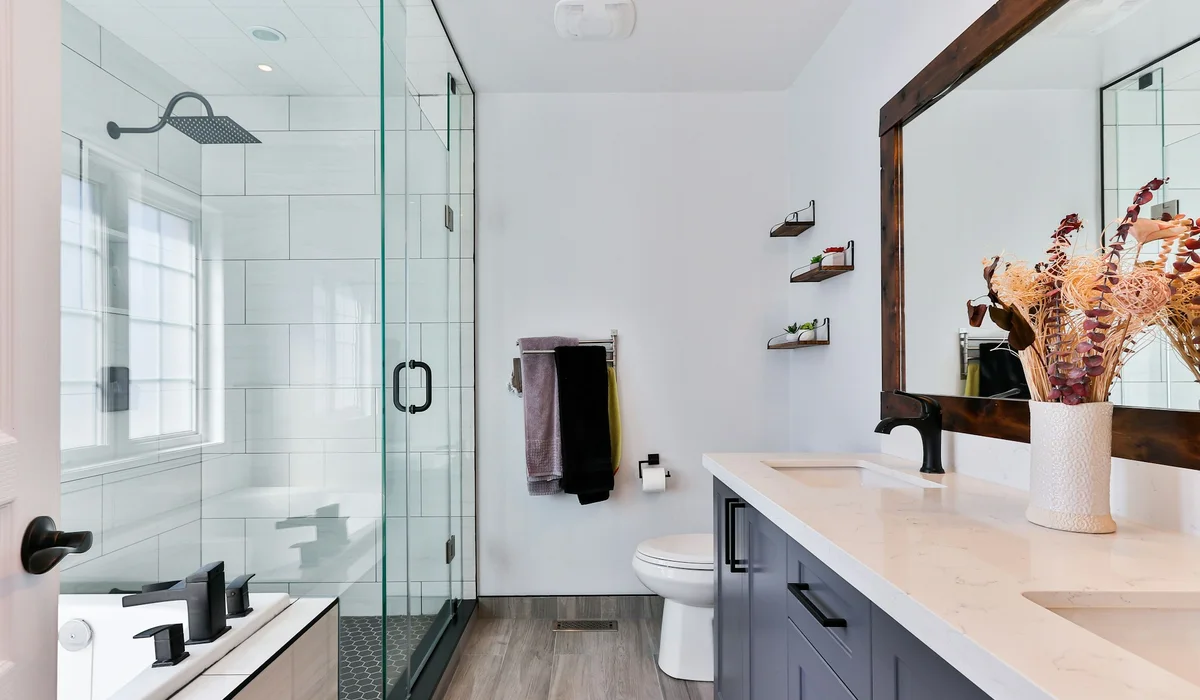
How Long Does a Bathroom Remodel Take by Project Type?
How long does a bathroom remodel take? It depends on scope more than square footage. These ranges assume a dedicated crew, materials on hand and no major surprises behind the walls.
| Project | Typical construction time | What drives it |
|---|---|---|
| Refresh: vanity, toilet, lighting, paint | 2 to 4 days | Fixtures stay in place; no tile shower work |
| New floor tile and vanity | 3 to 5 days | Floor tile set and grouted, then vanity and toilet reset |
| Tub-to-shower conversion | 1 to 2 weeks | New pan, membrane, wall tile and glass |
| Full remodel, same layout | 1 to 2 weeks | Demo to studs, new shower, floor, vanity and fixtures |
| Layout change or moved plumbing | 3 to 6 weeks | Permits, inspections, framing and drain changes |
FIXO’s own crews bring most complete bathrooms back into use in one to two weeks, because one crew handles demolition, plumbing, waterproofing, tile and fixtures in sequence instead of waiting on separate trades.
The Planning Phase: Often Longer Than the Build
When people ask how long does a bathroom remodel take, they usually mean construction. The days of hammering are only part of the bathroom remodel timeline, though. Before demolition, you need a design, a fixed price, product selections, ordering and, for many projects, a permit.
National data shows how long that can take. The 2020 U.S. Houzz & Home study, covering projects completed in 2019, reported average planning of about 5.4 months and construction of about 3.2 months for primary bathrooms, and about 4.8 and 2.9 months for guest bathrooms. Those averages include DIY projects and owners who planned for months before calling anyone, so a professionally run project with selections made up front is usually much faster.
Permits. In Fairfax County, the Land Development Services permit page lists bathroom remodels among work that needs a permit, along with new, repaired or relocated plumbing and electrical fixtures. It also lists exemptions, including like-for-like replacement of fixtures in the same location, bathroom countertops and vanities, tile replacement and painting. Other counties and DC set their own rules, so the contractor should confirm before scheduling demolition.
A Day-by-Day Bathroom Remodel Timeline
Here is how a typical full remodel of a 5 by 8 foot hall bathroom unfolds when the layout stays the same. Bigger rooms, custom features and inspections add days, but the order rarely changes.
Day 1: Protection and Demolition
Floors from the front door to the bathroom are covered, dust walls go up, and the old tub or shower, tile, vanity, toilet and flooring come out. Debris is hauled away the same day. Walls are opened to the studs in the shower area so the new waterproofing goes onto a clean surface.
Day 2: Subfloor, Framing and Surprises
Once the room is open, the crew checks the subfloor and framing. Soft subfloor around the toilet or tub is common in older homes and is replaced now. Blocking for grab bars, the vanity and glass is added. This is the day hidden damage shows up, if there is any.
Days 2 to 3: Rough Plumbing and Electrical
The shower valve, drain and supply lines are set or replaced, and wiring for lights, outlets and the exhaust fan is run. If the project is permitted, this is usually when the rough-in inspection happens, which can add a day or two depending on the inspector’s schedule.
Days 3 to 4: Backer Board, Slope and Shower Waterproofing
Cement board or foam board goes on the shower walls. The shower floor is sloped toward the drain, and the membrane goes over walls, floor, niche and curb. A flood test confirms the pan holds water before any tile is set. This step gets its own section below because it decides whether the bathroom stays dry for decades.
Days 4 to 7: Wall and Floor Tile
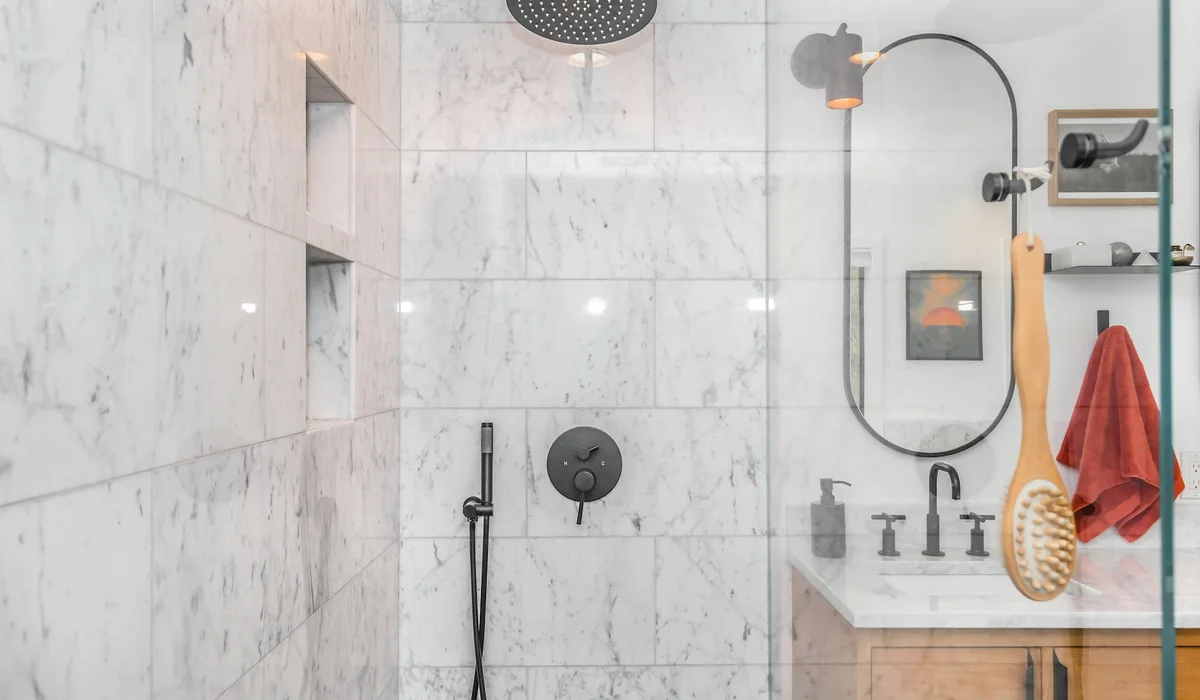
Tile is the longest single phase. Shower walls go first, then the niche and curb, then the floor. Large-format tile goes faster per square foot but needs flatter walls; small mosaics and patterns take longer. Each section is left to set before it is grouted.
Days 7 to 8: Grout and Sealing
Grout goes in once the setting mortar has cured. Custom Building Products’ Prism grout, for example, lists 24 hours before light foot traffic and 72 hours before intermittent water exposure such as a shower. Cement-based grouts may also need sealing, which adds a short wait.
Days 8 to 10: Vanity, Toilet, Fixtures and Lighting
The vanity and top are set, the toilet goes back, and the faucet, shower trim, mirror, lights and fan are installed. Paint usually happens just before or during this step. The bathroom starts to look finished here.

Days 10 and Beyond: Glass, Caulk and Final Walkthrough
Custom frameless glass is measured once tile is finished, so it often arrives after the rest of the room is done. Many owners use a temporary curtain in the meantime. Final caulking, accessories, cleaning and a punch-list walkthrough close out the job, followed by a final inspection on permitted projects.
How Long Does a Bathroom Remodel Take With Permits?
A permit adds steps before and during the job: the application and plan review, a rough-in inspection once plumbing and wiring are in place, and a final inspection at the end. Each inspection has to be scheduled, and work in that area pauses until it passes.
On a simple like-for-like remodel, many counties do not require a permit at all. On a remodel that moves the toilet, adds a shower where a tub was or changes wiring, plan for the permit to add time to the bathroom remodel timeline, and ask the contractor to include the inspection dates in the written schedule.
Why Shower Waterproofing Sets the Pace
Shower waterproofing is the part of the job you never see again, and the part that causes leaks into the ceiling below when it is rushed or skipped. A proper shower has three layers of protection working together:
- Slope. The International Residential Code calls for shower floors to slope toward the drain at no less than 1/4 inch per foot, and FIXO builds that slope into every pan.
- Membrane. A sheet or liquid membrane covers the walls and floor and laps into the drain. Products are tested to ANSI A118.10 for waterproofing.
- Flood test. The drain is plugged and the pan filled with water to check for leaks before tile goes on.
Modern liquid membranes can move fast. Laticrete’s Hydro Ban Quick Cure data sheet says tile can be installed 30 minutes after the second coat at 70°F and 50% humidity, and that the membrane can be flood tested 15 minutes after the second coat, with extra time in cooler rooms. Traditional mortar beds and other membranes need longer, so the schedule depends on the system your installer uses.
What should never happen is tiling over an old shower pan or fiberglass surround to save a day of shower waterproofing work. That shortcut is a common source of hidden leaks a few years later.
Sample Bathroom Remodel Timeline at a Glance
| Week | Main work |
|---|---|
| Before start | Design, fixed price, selections, ordering, permit if needed |
| Week 1 | Demolition, subfloor repair, rough plumbing and electrical, backer board, slope and shower waterproofing, flood test, start of wall tile |
| Week 2 | Floor tile, grout, vanity, toilet, fixtures, lighting, fan, paint, caulk, walkthrough |
| After | Custom glass install if not ready, final inspection if permitted |
This bathroom remodel timeline assumes a standard hall bath with the same layout and no major surprises behind the walls.
Cure Times That Shape the Schedule
Much of any bathroom remodel timeline is waiting for materials to cure. Always follow the product label, since temperature and humidity change these numbers.
| Material | Example cure guidance | Source |
|---|---|---|
| Liquid waterproofing membrane | Tile 30 minutes after second coat; flood test after 15 minutes (at 70°F) | Laticrete Hydro Ban Quick Cure |
| Single-component grout | 24 hours to light traffic; 72 hours to intermittent shower water | Custom Prism grout |
| Setting mortar (thinset) | Must be fully cured before grouting; time varies by product | Grout and mortar labels |
| Silicone caulk | Typically a day before water; check the tube | Caulk label |
| Paint | Dry to recoat in hours; full cure takes longer in humid rooms | Paint data sheet |
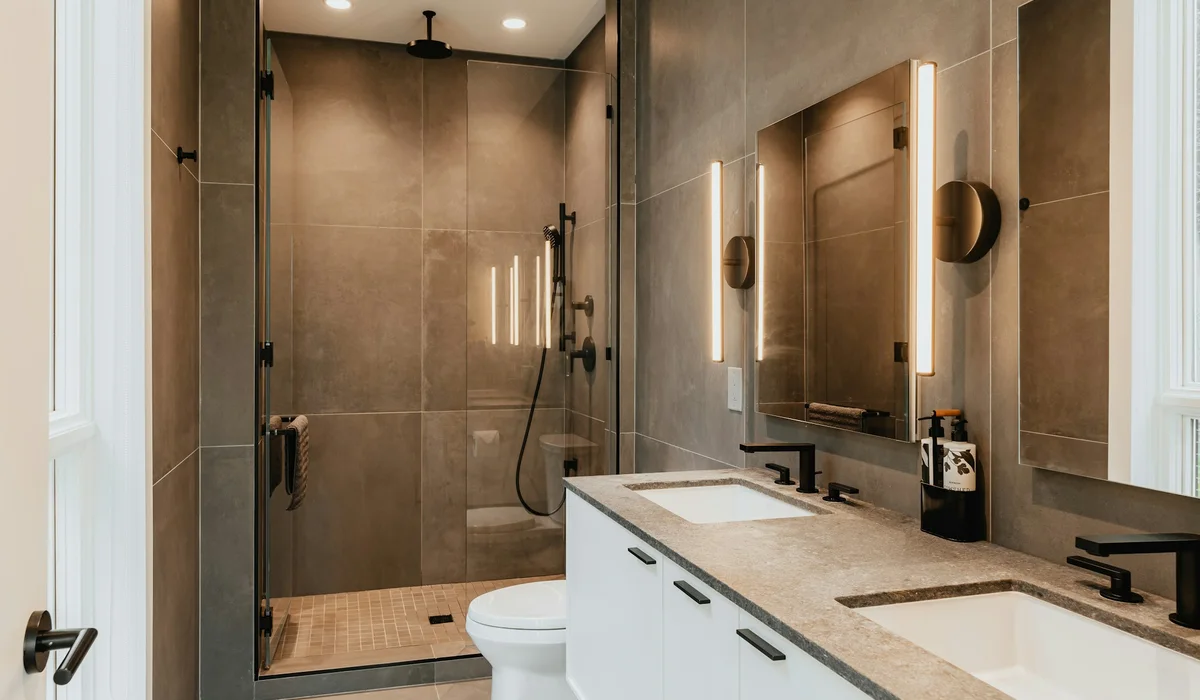
What Slows a Bathroom Remodel Down
Most bathroom remodel timeline overruns come from the same handful of causes:
- Hidden damage. Rotted subfloor, old leaks and undersized joists only show up after demolition.
- Moving plumbing. Relocating a toilet or drain means cutting floors, extra framing and usually a permit with inspections.
- Backordered products. A vanity or shower valve that arrives late can stall the crew for days.
- Change orders. Switching tile after the wall tile is half done, or adding a niche late, resets part of the schedule.
- Custom glass. Frameless enclosures are measured after tile and fabricated to fit.
- Older homes. Lead paint or old materials may need special handling before work continues.
- Multiple trades. When plumbers, electricians and tilers are scheduled separately, gaps open between each step.
How to Keep Your Bathroom Remodel on Schedule
If you want a short answer to how long does a bathroom remodel take, it is this: as long as your slowest decision. Use this checklist before demolition starts:
- Choose every finish: tile, grout color, vanity, top, faucet, valve trim, lighting, mirror and accessories.
- Confirm niche location, shower head height, grab bar blocking and towel bar spots.
- Have materials delivered and checked for damage before the start date.
- Confirm whether a permit is needed and who pulls it.
- Hire one company that handles every trade in sequence.
- Agree on a written schedule and a single point of contact.
- Plan where the household will shower if it is your only bathroom.
Signs Your Schedule Is Realistic
A contractor’s timeline is only as good as the plan behind it. Look for these signs before you sign:
- A written schedule that shows each phase, not just a start and end date
- Shower waterproofing listed as its own line item, with the membrane named
- Cure times for grout and caulk built into the plan
- A clear plan for subfloor repair if damage is found
- Inspection dates included when a permit is needed
If a quote promises a full tile shower remodel in two or three days, ask how long does a bathroom remodel take with their process and where the cure time went.
Living Through a Bathroom Remodel
In a home with two or more bathrooms, a remodel is an inconvenience. In a home with one, it takes planning. Many families shower at a gym, a neighbor’s or a relative’s for the shower phase, and some contractors can keep the toilet working for part of the job. Ask about this before signing.
Expect noise during demolition and tile cutting, and some dust despite containment. A good crew covers floors, seals the doorway, runs air filtration where needed and cleans up every evening. Keep pets and kids out of the work area, and clear the path from the entry to the bathroom.
Ventilation is worth upgrading while the walls are open. HVI’s bathroom ventilation guidance calls for about 1 CFM per square foot in bathrooms up to 100 square feet and recommends running the fan for 20 minutes after a shower.
Timelines in DMV Home Types
- DC rowhouses: narrow stairs and limited parking slow material delivery and debris removal, and older plumbing often needs replacing once walls open.
- Northern Virginia colonials and splits: usually straightforward access, but original 1960s to 1980s tubs and subfloors often hide water damage.
- Condos: building rules may limit work hours, require elevator reservations and ask for proof of insurance, which shapes the daily schedule.
- Maryland townhomes: stacked bathrooms mean a leak test matters even more, since the room below is often a kitchen or living space.
For floor-only updates, see our guide to bathroom floor tile installation, which covers a shorter scope.
Bathroom Remodel Timeline FAQs
How long does a small bathroom remodel take?
A small full bathroom with the same layout typically takes one to two weeks of construction when one crew works it straight through and materials are on site. A cosmetic refresh without new shower tile can take just a few days.
Can I use my shower during a bathroom remodel?
Not once demolition starts in that room. After new tile, wait for the grout to cure; one common grout lists 72 hours before intermittent water exposure.
Do I need a permit to remodel a bathroom?
Often, yes. Fairfax County lists bathroom remodels and moved plumbing or electrical as permitted work, while like-for-like fixture swaps, new vanities and tile replacement are exempt. Rules differ by county and in DC.
How long does a bathroom remodel take in a condo?
Construction itself is similar to a house, but building approvals, limited work hours and elevator bookings can add days or weeks. Ask management for the alteration rules early and build them into the bathroom remodel timeline before you set a start date.
Why do bathroom remodels take longer than quoted?
The usual causes are hidden subfloor damage, late products, change orders, inspections and waiting between separate trades.
How long does shower waterproofing take?
It depends on the system. Some liquid membranes can be tiled 30 minutes after the second coat, while mortar beds and other systems need longer. A flood test should come before tile in every case.
What is the longest part of a bathroom remodel?
Tile work, including shower walls, floor and grout, is usually the longest construction phase. Planning and ordering, though, often take longer than all of construction combined.
Plan Your Bathroom Remodel
So, how long does a bathroom remodel take? Plan on one to two weeks of construction for a standard full bath, plus time to design, choose finishes and get permits when needed. Proper shower waterproofing and grout cure time are worth every hour they add.
FIXO measures within 48 hours, gives one fixed price and runs demolition through final caulk with one crew. See our complete bathroom remodel service, the bathroom renovation overview, or ask for pricing on the instant quote page.