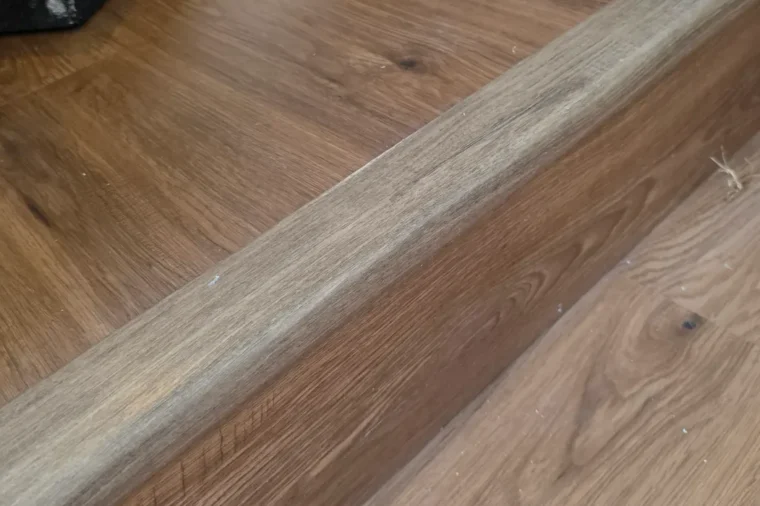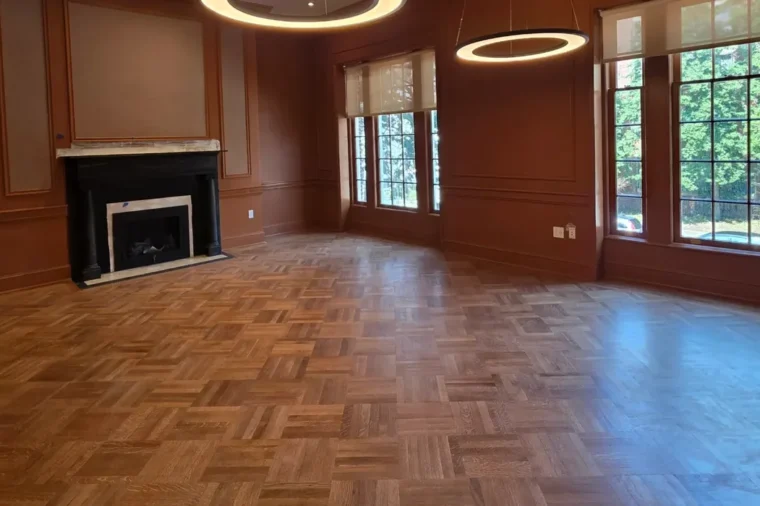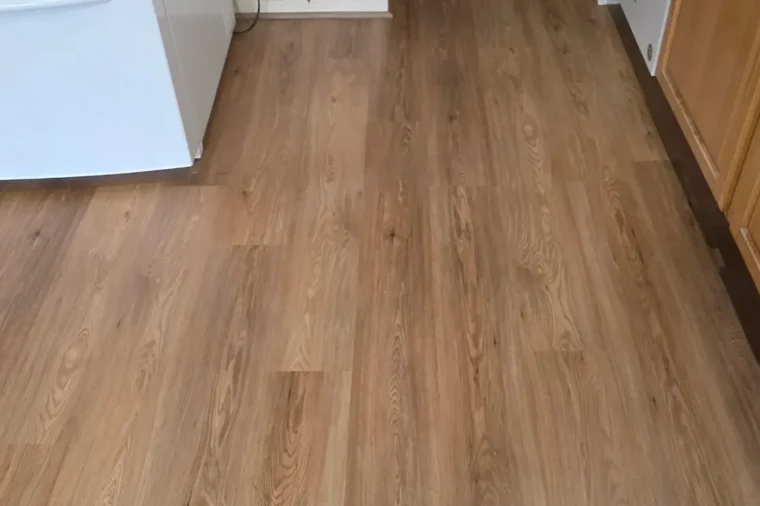
Vinyl wood flooring is luxury vinyl plank or tile that is printed and textured to look like hardwood, with a clear wear layer on top and a waterproof core underneath. The most convincing wood look vinyl flooring gets three things right: plenty of unique plank visuals, texture that follows the printed grain, and a wear layer of about 12 to 20 mil for most homes. Choose well and lay it well, and few visitors will guess it isn’t wood.
Walk down any flooring aisle and you’ll find hundreds of wood-look vinyl planks with the same promises on the box: waterproof, scratch resistant, realistic. Laid across a whole room, they look nothing alike. Some pass for white oak at arm’s length. Others show the same knot every few planks.
This guide explains how vinyl wood flooring is built, then walks through nine checks that separate a believable wood look from an obvious fake: visuals, texture, bevels, plank size, color, wear layer, core, sheen and a real-room test. Alvin wrote it for FIXO, which installs vinyl plank floors for homeowners throughout Northern Virginia, Maryland and Washington DC.
What this vinyl wood flooring guide covers
Key takeaways
- The number of unique plank images in a collection decides how quickly a floor starts to look repetitive.
- Embossed-in-register texture, eased edges and a low-gloss finish make vinyl read as real wood in daylight.
- Pick the wear layer for your traffic: 12 mil for quiet rooms, 20 mil for kitchens, entries and homes with pets.
- Rigid core planks are the easiest all-round choice; glue-down planks need a very flat subfloor.
- Mixed boxes, a proper end-joint stagger and undercut door jambs keep the installed floor convincing.
What Is Vinyl Wood Flooring?
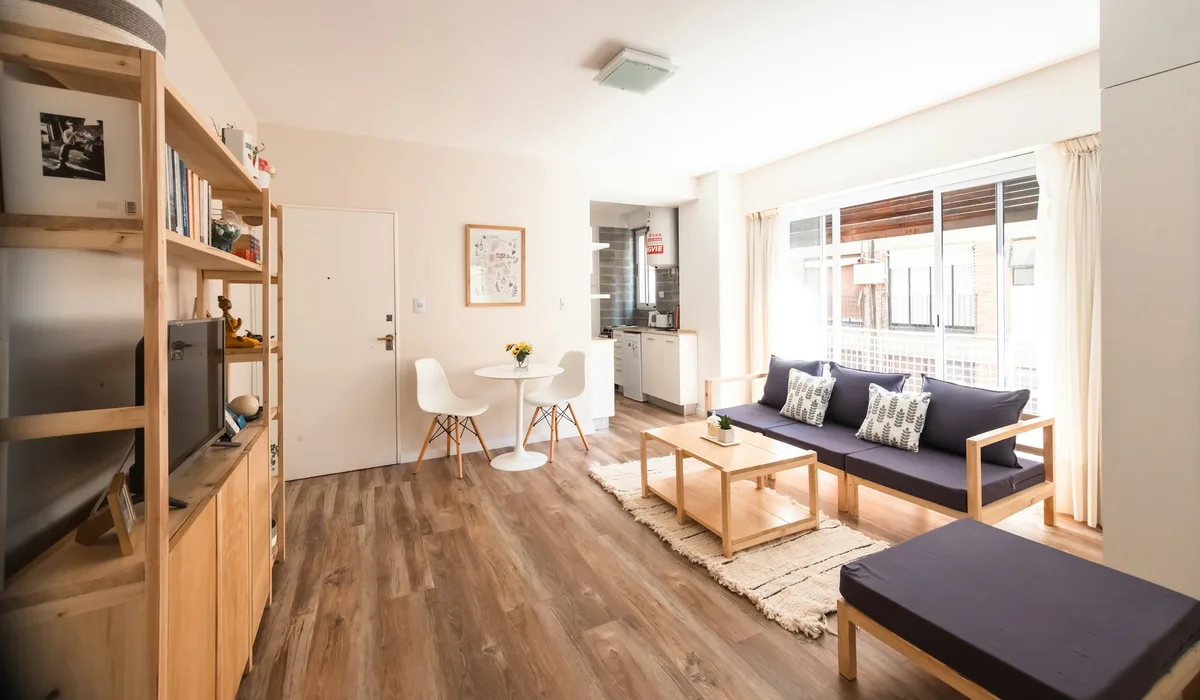
Vinyl wood flooring is any vinyl floor designed to look like wood. Today that nearly always means luxury vinyl plank, or LVP: separate planks with a photographic wood print, a clear protective film and a stable core. The term also covers a few related products, so it helps to know which one is written on a quote.
| Type | What it is | Where it fits |
|---|---|---|
| Luxury vinyl plank (LVP) | Plank-shaped vinyl, usually click-lock, on a rigid or flexible core | Most rooms, including kitchens and basements |
| Glue-down vinyl plank | Thinner planks bonded to the subfloor with adhesive | Large open areas, offices and rooms that need a low floor height |
| Wood-look sheet vinyl | One continuous roll printed with a plank pattern | Small baths and laundry rooms on a tight budget |
| Peel-and-stick planks | Thin planks with a self-adhesive back | Short-term updates and rentals |
For a floor that has to pass for hardwood, LVP is the product worth studying, and most of this guide is about it. Our luxury vinyl plank explainer covers the basics in more depth.
How Wood Look Vinyl Flooring Is Built
Every wood look vinyl plank is a stack of layers. From the top down:
- Topcoat: a thin urethane or ceramic-bead coating that sets the sheen and resists stains.
- Wear layer: a clear vinyl film that protects the print, measured in mil, or thousandths of an inch.
- Print film: the high-resolution wood image that makes the plank read as oak, hickory or walnut.
- Core: the body of the plank. Stone-plastic composite (SPC) cores are dense and rigid; wood-plastic composite (WPC) cores are foamed and a little softer.
- Backing or pad: many click planks carry an attached underlayment for sound and comfort.
The print and the wear layer decide how the floor looks on day one and in year ten. The core and backing decide how it feels underfoot and how forgiving it is of small dips in the subfloor.
9 Checks for Vinyl Wood Flooring That Looks Real
Showroom samples are small, and a palm-sized chip can make almost any vinyl wood flooring look convincing. These nine checks show you how a product will behave across a whole room.
1. Count the Unique Plank Visuals
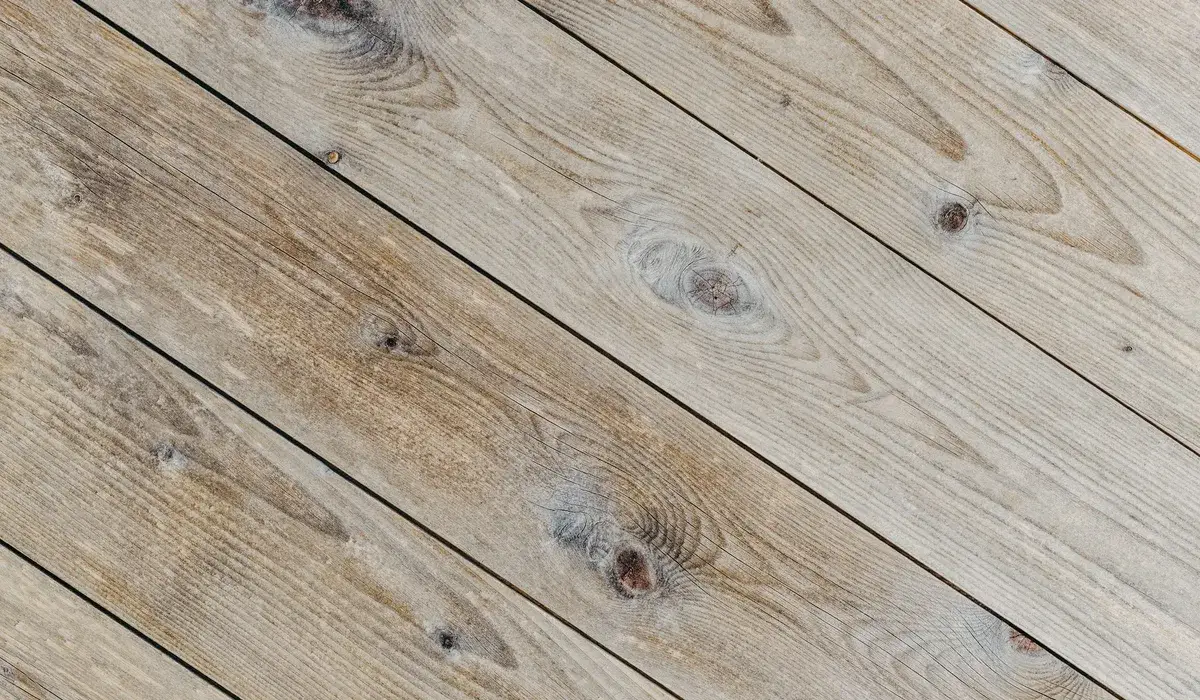
Real boards never match. Vinyl planks are printed, so each collection has a fixed number of plank images before the design repeats. Budget lines can repeat after only a handful of images, and across a large living room the eye starts to notice the same knot or streak coming back. Better collections offer ten, twenty or more unique visuals, which makes repeats hard to find.
Ask the supplier, or check the spec sheet, for the number of unique visuals, sometimes called screens. If nobody can tell you, open two or three boxes and lay the planks side by side. Repeats show up fastest on rustic visuals with big knots.
2. Feel for Texture That Follows the Grain
Run your hand across a wood look vinyl plank sample. Cheaper planks have one texture stamped over the whole face, so the ridges don’t line up with the printed grain. Embossed-in-register (EIR) planks have texture pressed to match the print, so knots and grain lines feel the way they look. In low light from a window, EIR is one of the biggest differences between a wood look that convinces and one that doesn’t.
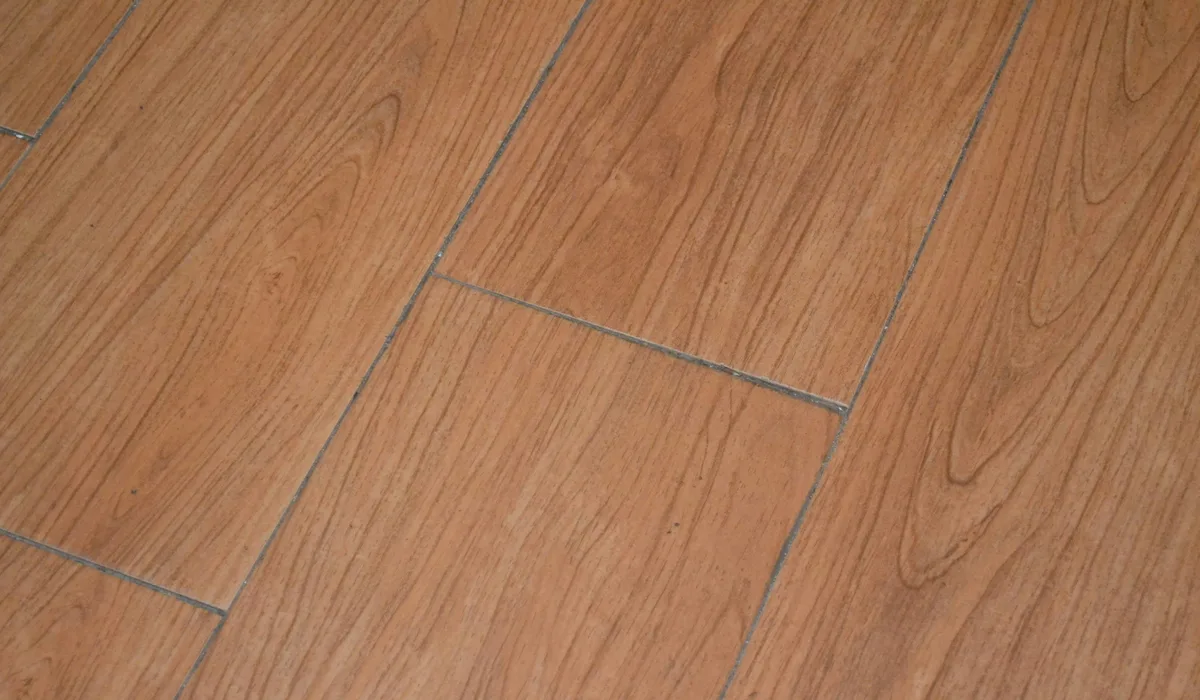
Wire-brushed and hand-scraped textures help too. The uneven surface breaks up reflections and hides small printing flaws, which is why rustic visuals often look more real than smooth, glossy ones.
3. Look at the Edges and Bevels
Solid hardwood boards have slightly eased edges, so you see a soft line between them. Many wood look vinyl planks copy this with a micro-bevel or a painted bevel. A square edge reads more like a printed sheet, especially on wide planks. Painted bevels that are much darker than the plank can look harsh on light oak visuals, so compare a few options on the floor rather than in your hand.
4. Match Plank Width and Length to the Room
Most vinyl wood flooring planks measure roughly 6 to 9 inches across and run 36 to 60 inches long. Longer planks mean fewer end joints, which looks more like wide-plank hardwood. Wide, long planks suit open living areas and long hallways. In a small powder room or a narrow galley kitchen, a very wide wood look vinyl plank can leave thin slivers along the walls, so a mid-width plank often looks better.
Length affects the stagger as well. With short planks it is harder to keep end joints well apart, which leads to the stair-step or H-shaped joints that give a vinyl floor away.
5. Pick a Species and Color That Suit the Light
Natural and light white oak looks are the safest choice for realism, because oak has a modest, even grain that printing reproduces well. Exotic species and very dark walnut prints are harder to pull off, and dark floors show dust, pet hair and scuffs in the coating more than mid-tones do.
Look at samples in the room where they will go, at several times of day. North-facing rooms in many DMV homes need a warmer tone than the showroom suggests, while a sunny room can wash out a pale gray.
6. Choose the Wear Layer for Your Traffic
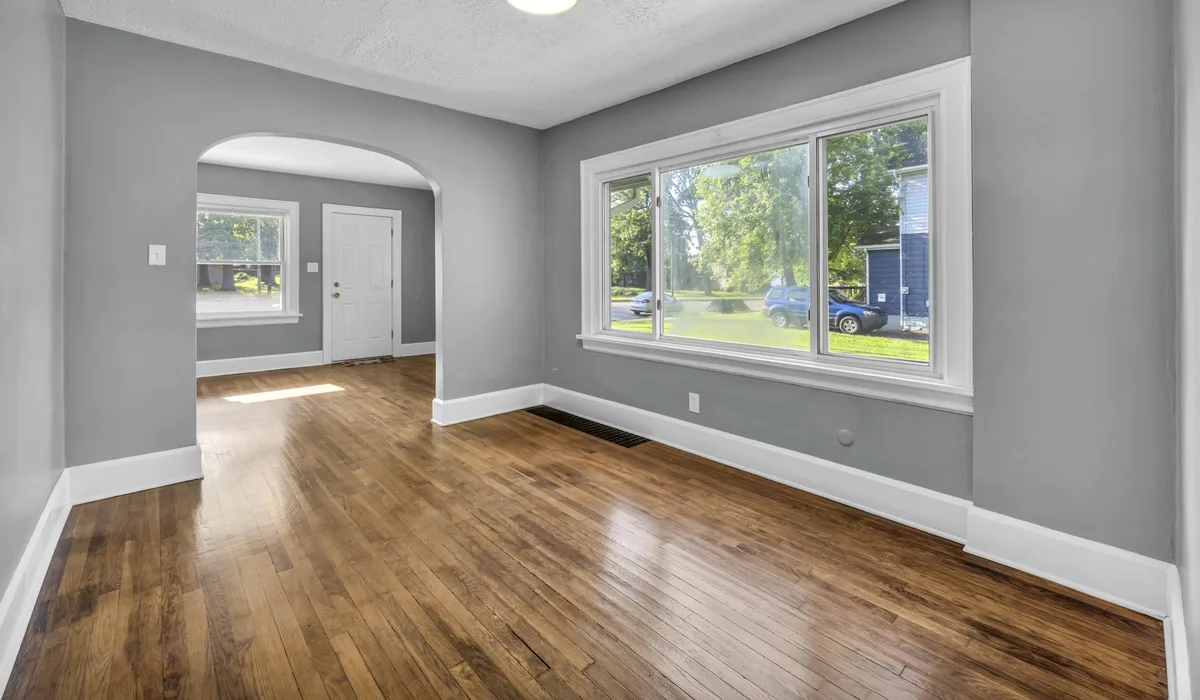
The wear layer is the clear film over the print, and it matters more than the total plank thickness. MSI’s wear layer guide notes that wear layers run from about 4 to 40 mil, that 12 mil is roughly 0.3 mm and 20 mil roughly 0.5 mm, and that busy entries and homes with pets should stay in the 12 to 20 mil range. BuildDirect’s wear layer guide treats 20 mil as the everyday standard for family homes.
| Wear layer | Typical use |
|---|---|
| 6 to 8 mil | Closets, guest rooms and other low-traffic spaces |
| 12 mil | Bedrooms, living rooms and most households |
| 20 mil | Kitchens, entries, hallways, rentals and homes with pets or kids |
| 28 to 40 mil | Commercial spaces and very heavy residential use |
Overall plank thickness, often 4 to 8 mm, mainly changes the feel and the sound. A thick plank with a thin wear layer can still wear through to the print sooner than a thinner plank with a heavier one.
7. Choose a Rigid or Flexible Core
Rigid SPC planks are the most common choice for click-together vinyl wood flooring. They are dense, resist dents from furniture and bridge small subfloor dips better than flexible planks. WPC cores are thicker and a little quieter underfoot. Flexible glue-down planks need a very flat, smooth base because every bump shows through, but they suit large open areas and commercial spaces.
All three types are waterproof in themselves. Water gets underneath at seams and around the edges, so installation detail still matters in kitchens, baths and basements. Our LVP waterproof flooring guide explains the difference between a waterproof plank and a waterproof floor.
8. Check the Sheen
Hardwood finished on site is usually satin or matte. A glossy vinyl coating catches light in a flat sheet that looks like plastic. A low-gloss or matte finish reads as wood from farther away and hides fine scratches better.
9. Lay Out a Full Box Before You Commit
Before ordering, buy or borrow one box and lay the planks loose on the floor of the actual room. Stand in the doorway, look along the planks toward the window and check for repeats, bevel lines and color variation. It is the quickest way to see how the floor will really look, and it costs far less than replacing a floor you don’t like.
Choosing Vinyl Wood Flooring Room by Room
The same product rarely suits every room equally. Here is how the checks above change from one space to the next.
Kitchens
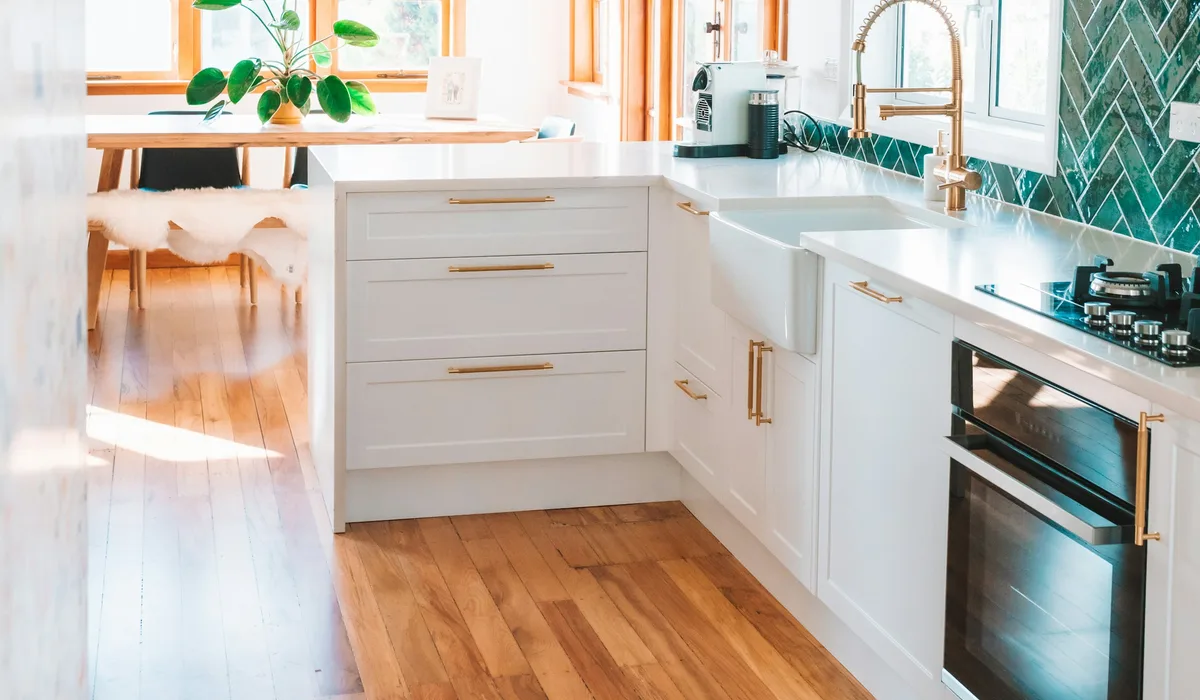
Kitchens get spills, dropped pans and constant traffic, so a 20 mil wear layer and a rigid core make sense. Mid-tone oak visuals hide crumbs and scuffs better than very light or very dark ones. Ask how the installer will handle the dishwasher and refrigerator openings, because the floor usually runs into those spaces but not under fixed cabinets. Our guide to the best flooring for kitchens compares vinyl with tile and laminate.
Basements
Concrete slabs in DMV basements can be damp, and a waterproof core makes vinyl a common basement floor. A rigid plank with an attached pad, over a vapor barrier where the maker calls for one, works well. The waterproof basement flooring guide explains how to check a slab first.
Bathrooms and Laundry Rooms
Wood look vinyl flooring is popular in bathrooms where tile feels cold underfoot. Seal the perimeter gap around tubs and toilets with the sealant the manufacturer recommends, and consider a 20 mil wear layer near the vanity and washer.
Living Rooms, Bedrooms and Hallways
These rooms show the floor’s appearance most, so visual count, plank length and texture count for more here than anywhere else. Long hallways look best with planks running their full length.
Stairs
Many vinyl collections sell matching stair nosings or tread kits. Ask to see the nosing next to the plank, because a poor color match on the stairs is the first thing guests notice. Our wood stair installation guide covers other stair options.
Vinyl Wood Flooring vs Hardwood and Laminate
Vinyl is one of three common ways to get a wood look. Each has a place.
| Feature | Vinyl wood flooring | Laminate | Real hardwood |
|---|---|---|---|
| Water | Waterproof core | Mostly water resistant; the core swells if water sits | Damaged by standing water |
| Look up close | Good to excellent with EIR texture | Sharp print on a hard surface | Genuine grain |
| Feel and sound | Softer and quieter, especially with a pad | Harder, can sound hollow | Solid and warm |
| Refinishing | Not possible | Not possible | Can be sanded and refinished |
| Best for | Kitchens, baths, basements, pets | Dry living areas | Long-term value in dry rooms |
For the full comparison, read LVP vs laminate vs engineered hardwood.
What Vinyl Wood Flooring Costs
Price follows the features above. Heavier wear layers, more unique visuals, EIR texture and longer planks all cost more, while installation labor stays much the same whichever plank you pick. That means the step up from an entry-level wood look to a convincing one is mostly in the material.
Other line items to expect are removing the old floor, leveling a subfloor that is out of flat, moving appliances, new baseboard or quarter round, stair nosings and transitions. Our LVP flooring installation cost guide lists current prices per square foot, and the FIXO instant quote gives a figure for your own rooms.
Installation Details That Keep the Wood Look Convincing
Even a premium wood look vinyl plank looks fake if it is laid carelessly. These are the details a careful installer handles:
- Mix planks from several boxes. Working from three or four boxes at once spreads the visuals and color shading across the room.
- Stagger the end joints. Many manufacturers ask for end joints at least 6 inches apart from row to row. Avoid repeating steps and H-shaped joints.
- Run planks the right way. Planks usually look best running toward the main window or along the longest wall and hallway.
- Flatten the subfloor. Dips and humps show as gaps and bounce. A common click-plank tolerance is about 3/16 inch in any 10-foot span, though each product sets its own limit.
- Undercut door jambs. Planks slid under trimmed casing look like hardwood. Caulk against the casing does not.
- Leave the expansion gap. Floating floors need a perimeter gap hidden by the baseboard, even with rigid cores.
- Keep transitions few. Long runs through doorways without a T-molding look more like one continuous floor, within the maximum run the maker allows.
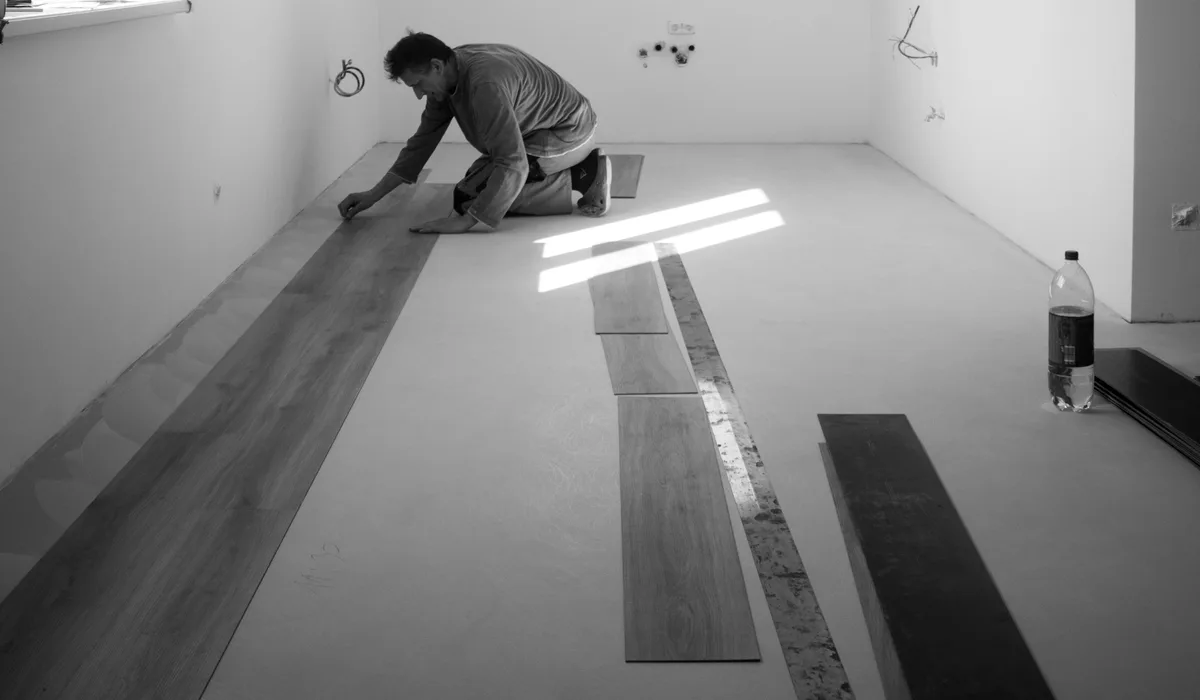
Our LVP installation tools guide covers the kit, and the FIXO LVP installation page explains how our crews handle prep and finishing.
Keeping Wood Look Vinyl Flooring Looking Real
Vinyl is easy to look after, and a few habits keep the wood look sharp for years:
- Sweep or vacuum often. Use a hard-floor setting; grit is what scratches the coating.
- Use a barely damp mop. A pH-neutral cleaner is all vinyl needs; avoid oil soaps, wax and steam mops unless the maker approves them.
- Protect from furniture. Felt pads under chairs and wide, flat protectors under heavy pieces prevent dents.
- Choose mats with care. Some rubber-backed mats can stain vinyl, so look for mats labelled safe for vinyl floors.
- Manage strong sun. Blinds in hot afternoon sun limit fading and heat build-up near big windows and glass doors.
Vinyl Wood Flooring FAQs
What is vinyl wood flooring made of?
Vinyl wood flooring is a layered plank: a topcoat, a clear vinyl wear layer, a printed wood image and a core of rigid stone-plastic composite or foamed wood-plastic composite, often with an attached pad underneath.
Does wood look vinyl flooring look fake?
It can, if a product repeats a few plank images, has flat texture or a glossy finish. Collections with many unique visuals, embossed-in-register texture, eased edges and a matte finish look far more like real hardwood once installed.
What wear layer do I need?
For most homes 12 mil is a sensible minimum, and 20 mil is a better choice for kitchens, entries, hallways and homes with pets or children. Commercial spaces usually use 20 to 40 mil.
Is vinyl wood flooring waterproof?
The planks are waterproof, but water can still reach the subfloor through seams and around the edges. Sealing the perimeter in wet rooms and wiping up spills promptly keeps the subfloor dry.
Is vinyl wood flooring better than laminate?
Vinyl handles water better and is quieter and softer underfoot. Laminate has a harder surface and often a very sharp print. In kitchens, bathrooms and basements, vinyl is usually the safer choice.
Can vinyl wood flooring go over an existing floor?
Often, yes, over flat and sound tile, sheet vinyl or concrete that meets the maker’s flatness spec. Carpet has to come out, and deep grout lines may need filling first.
Choosing Your Vinyl Wood Flooring
Judge vinyl wood flooring the way you would judge hardwood: in the room, in daylight, with a full box on the floor. Count the visuals, feel the texture, match the wear layer to your traffic and plan the layout before the first plank goes down.
FIXO installs wood look vinyl plank in homes across Northern Virginia, Maryland and DC. See our LVP installation service, or send your room sizes through the instant quote form.
 4.9 on Google14 reviews
 Licensed & InsuredVirginia · Maryland · Washington, D.C.
 Workmanship GuaranteedInstallation backed in writing
 Locally OwnedServing NoVA, MD & D.C.