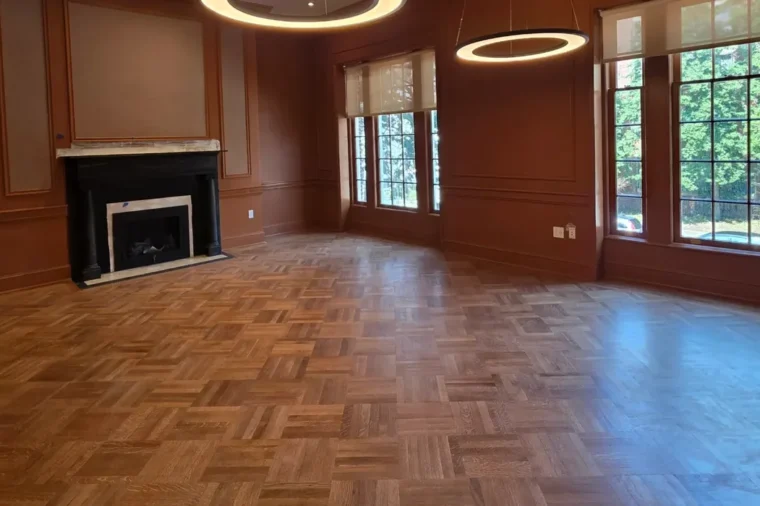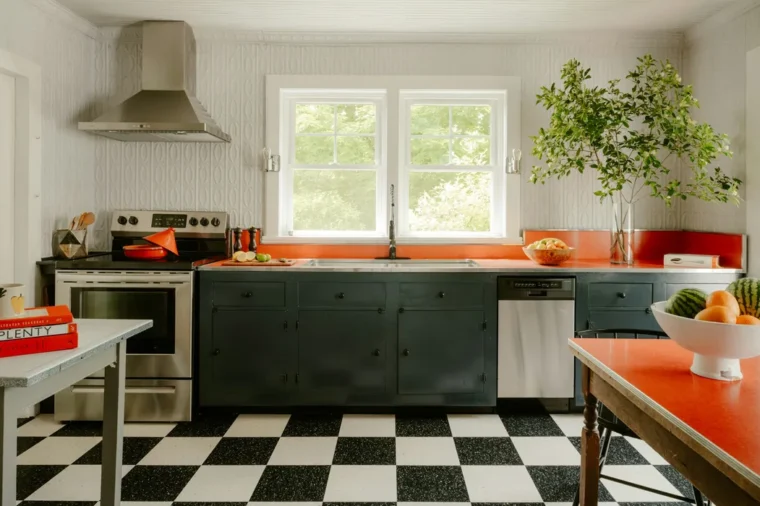
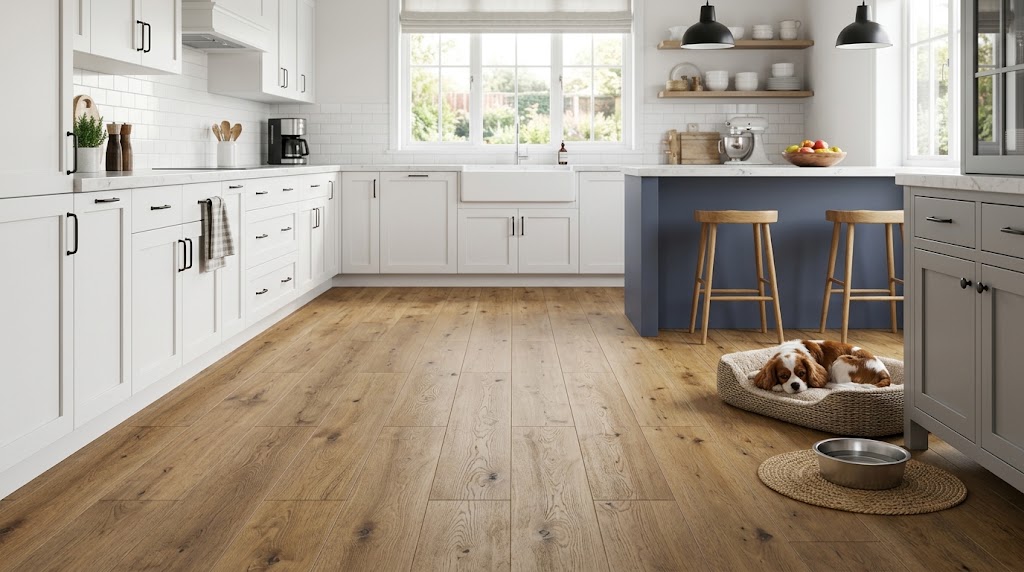
LVP flooring, short for luxury vinyl plank, is a waterproof, multilayer floor designed to look like real hardwood. It costs less than wood, shrugs off spills, and installs faster than most people expect. But it isn’t flawless, and the details decide whether you love it or regret it.
For most homes, yes. If you want a wood-look floor that withstands kids, dogs, and the occasional overflowing sink, LVP flooring is hard to beat for the money. Skip it if you want a floor you can sand and refinish someday. And skip the thinnest, cheapest planks on the shelf (they’re the ones people end up complaining about online).
This guide covers how LVP flooring is made, what to check on the spec sheet, what it really costs, and where it falls short. I’ll be blunt in the downsides section. Better you hear it here than from your floor in year three.
What Is LVP Flooring?
LVP flooring is a type of vinyl flooring sold as long, narrow planks. Most planks run 6 to 9 inches wide and 36 to 72 inches long, the same proportions as real wood boards. The surface carries a printed photograph of wood grain, plus an embossed texture you can actually feel. Underneath sits a rigid or flexible core made mostly from PVC.
Why does that matter? Because you get the look of hardwood without the fuss. No waxing. No panic when the dog knocks over a water bowl.
What Does LVP Stand For?
LVP stands for luxury vinyl plank. That’s it. The word “luxury” doesn’t mean expensive, though. It marks an upgrade over the thin, flat sheet vinyl your parents probably had in the kitchen: thicker build, more layers, much better looks. So when a contractor says Services for LVP flooring, this is what they mean.
LVP vs Vinyl Plank vs LVT: What’s the Difference?
Vinyl plank is the broad category. LVP is the premium tier inside it, with a thicker wear layer, a denser core and more realistic wood visuals. LVT, or luxury vinyl tile, uses the same construction but comes in square or rectangular shapes made to look like stone, concrete or marble. Same build, different shape. Want a wood look? You’re shopping for LVP. Want a slate look bathroom? Look at LVT.
How Is LVP Made? (The Layers Explained)
Slice a plank in half and you’d see four layers, each with a job. Knowing them makes the spec sheet a lot less confusing.
Wear Layer
This is the clear coating on top, usually urethane, and it takes every scratch, scuff and stain so the printed layer doesn’t have to. Its thickness is measured in mil, which is one thousandth of an inch. (Not millimeters. People mix those up constantly.) A thicker wear layer means a longer life, and it’s the single most useful number on the box.
Design (Print) Layer
Under the coating is a high resolution photograph of wood, sometimes stone, printed onto film. Good planks pair it with embossing that follows the grain, so oak feels like oak. Cheap planks repeat the same few patterns, and once you spot the repeat you can’t unsee it.
Core: SPC vs WPC
The core gives the plank its strength. SPC (stone plastic composite) is dense, rigid and dent resistant, and it handles temperature swings well. WPC (wood plastic composite) is thicker and softer, so it’s warmer and quieter underfoot, but it dents more easily. Honestly, for most homes I’d lean SPC. It forgives more mistakes.
Backing and Underlayment
The bottom layer adds stability and moisture resistance. Many planks ship with a foam or cork underlayment already attached for sound. Check the box. Adding a second pad on top of an attached one can make the floor bouncy and may void the warranty.
LVP Flooring Specs to Look For Before You Buy
Most shoppers pick a color and hope for the best. Pick the specs first, then the color. Two planks in the same shade can be completely different products.
Wear Layer Thickness (mil) by Room Type
- 6 mil: light use, like a guest bedroom or a closet.
- 12 mil: the sweet spot for most living rooms, kitchens and bedrooms.
- 20 mil and up: heavy traffic, big dogs, home offices with rolling chairs, rentals.
If a listing doesn’t state the wear layer thickness at all, walk away.
Plank Thickness and Core Type
Total thickness for rigid core LVP flooring usually runs 4 to 8 mm. Aim for 5 mm or more if you can, because thinner planks telegraph every bump in the subfloor. Pair a thicker plank with an SPC core for busy rooms and spaces with big temperature swings, like a sunroom.
Click Lock vs Glue Down vs Peel and Stick
Click lock planks float over the subfloor and snap together. It’s the easiest option for remodels and the one most DIYers choose. Glue down planks are bonded to the subfloor, which suits big open areas and heavy rolling loads. Peel and stick tiles are thin and cheap. They work fine in a small laundry room, but they show every flaw beneath them.
Pros of LVP Flooring
Here’s why LVP flooring took over the market.
- Waterproof planks that don’t swell or warp when wet.
- It looks like real wood. From standing height, most guests can’t tell.
- Softer and quieter underfoot than tile, and warmer too, especially with an attached pad.
- Costs a fraction of hardwood, often half or less once installed.
- Cleaning takes a broom and a damp mop. That’s the whole routine.
- A confident DIYer can finish a bedroom in a day.
Cons of LVP Flooring (The Honest Downsides)
Now the part most product pages skip. LVP flooring is good, not magic.
Dents, Scratches and Fading
Drag a refrigerator across it and you’ll leave a gouge. A heavy bookcase on tiny feet can leave permanent dents, too. Direct afternoon sun can fade or discolor some planks over the years. Felt pads under every piece of furniture cost a few dollars and save you a headache.
Plank Gaps and Seam Failure
Gaps between planks are one of the most common complaints online. Usually it isn’t the floor’s fault. It’s an uneven subfloor, a missing expansion gap, or planks forced together until the locking edge cracked. Cheaper cores also expand and contract more with heat, which pulls seams apart.
Cannot Be Refinished
Hardwood can be sanded and refinished a handful of times. LVP can’t. Once the wear layer wears through, you replace the floor. It’s the tradeoff for the lower price.
Low Quality Products to Avoid
Skip planks with a 6 mil wear layer in a kitchen, anything under 4 mm thick, and any brand that won’t publish its specs. A strong chemical smell out of the box is a bad sign too. And if the price looks too good to be true, ask why.
Is LVP Flooring Really Waterproof
Short answer: the planks are. The floor as a whole? That depends on the install.
Waterproof Planks vs a Waterproof Floor
A plank won’t soak up water or swell like wood or laminate does. But water doesn’t need to go through the plank. It can slip through the seams, along the edges near walls, or around a toilet flange and sit underneath. Trapped moisture can then grow mold on the subfloor where you can’t see it. In wet rooms, keep the expansion gap, seal the perimeter with silicone, and caulk around tubs. Waterproof, in other words, is a system, not a plank.
Subfloor Moisture and Leaks
Concrete slabs, especially in basements, can push moisture vapor upward for years. Test the slab with a moisture meter or the plastic sheet test before you install, and add a vapor barrier if the readings are high. For leaks, a floating floor has an advantage: you can unlock the planks, dry the subfloor and put everything back. A glued floor is a different story.
How Much Does LVP Flooring Cost
Prices vary by region, retailer and year, so treat these as rough ballparks and get local quotes before you set a budget.
Material Cost per Sq Ft by Quality Tier
Budget planks run about $2 to $3 per square foot. Mid range, where most people should shop, is $3 to $5. Premium planks with thick wear layers and deep embossing can hit $5 to $8 or more.
Installation Cost (DIY vs Professional)
Professional labor commonly adds $2 to $5 per square foot. A 300 square foot room at $6 installed comes to about $1,800. DIY saves the labor, but you’ll need a utility knife, spacers, a tapping block and a way to cut planks cleanly, which might run $50 to $150 if you own none of it.
Hidden Costs (Subfloor Prep, Underlay, Trim)
This is where budgets break. Leveling compound, underlayment, transition strips, quarter round, removal and disposal of the old floor. And buy about 10 percent extra for cuts and mistakes. One more thing: keep a few spare planks from the same batch for future repairs.
LVP Flooring vs Laminate vs Hardwood vs Sheet Vinyl
Choosing between floors? Here’s how LVP flooring stacks up on the things people ask about most.
| Feature | LVP | Laminate | Hardwood | Sheet Vinyl |
|---|---|---|---|---|
| Material cost per sq ft | $2 to $8 | $1 to $5 | $5 to $15 | $1 to $3 |
| Water resistance | Excellent | Low to moderate | Poor | Excellent |
| Typical lifespan | 15 to 25 years | 10 to 20 years | 50 plus years | 10 to 20 years |
| Resale appeal | Good | Fair | Best | Low |
| Feel underfoot | Slightly soft, quiet | Firm, can sound hollow | Solid, natural | Soft, flat look |
Laminate is the one people confuse with LVP most often. It has a fiberboard core, which is why edges swell when water gets in, though some newer versions resist moisture better. We dig into that in our post on whether laminate flooring is waterproof. For wet areas, LVP flooring wins easily.
How Long Does LVP Flooring Last
Most LVP lasts 10 to 25 years. That’s a wide range, and it comes down mostly to wear layer thickness and how hard the room is used.
Lifespan by Wear Layer Thickness
Roughly speaking, 6 mil planks last about 5 to 10 years in light use. 12 mil planks should give you 10 to 20 years in a normal home. 20 mil and thicker can go 20 years or more. Warranties will promise longer, but read the fine print, since they often exclude pet stains, scratches and improper installation.
How to Repair a Damaged Plank
Small scratches can be filled with a repair stick in a matching color. For a badly gouged plank at the edge of a floating floor, unlock the row from the nearest wall and swap it out. If the damage is mid room, cut out the plank, trim the tongue off the replacement and glue it in. This is exactly why you keep spare boxes.
How to Install LVP Flooring
Installing LVP flooring is one of the friendlier DIY projects, but prep decides everything. If you want the full walkthrough, or you’d rather hand it to a pro, take a look at our page on professional LVP flooring installation.
Subfloor Prep and Acclimation
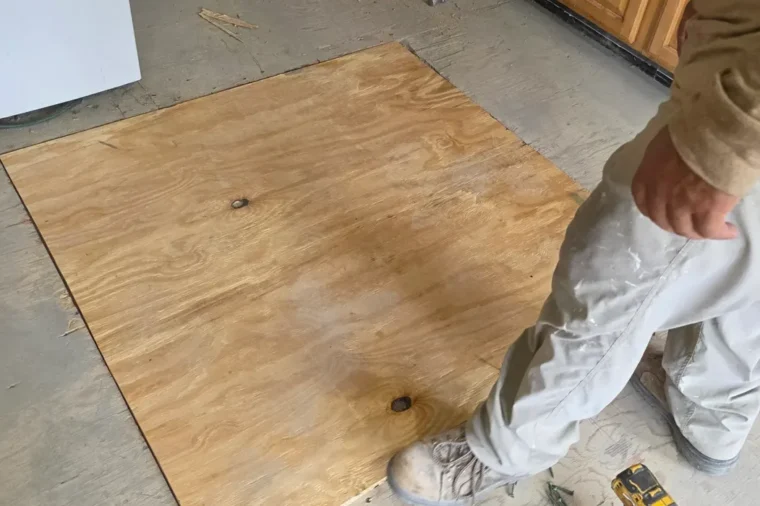
The subfloor needs to be clean, dry and flat, usually within about a quarter inch over 10 feet. Sweep, scrape and patch dips with leveling compound. Then let the unopened boxes sit in the room for about 48 hours so the planks adjust to the temperature. Follow the manufacturer’s instructions if they differ.
Installing Over Tile or Existing Floors
You can often lay LVP over ceramic tile, but thin planks will show grout lines over time unless you fill them with patching compound. Firmly bonded old vinyl works too if it’s smooth. Carpet has to go. Never install over it.
Common Installation Mistakes
- Skipping the expansion gap of a quarter to three eighths of an inch at every wall.
- Forcing planks together with a hammer.
- Pulling from one box at a time, which makes the pattern obvious.
- Lining up end seams in neat rows instead of staggering them by at least 6 inches.
- Nailing trim down onto the floor, which pins it in place and can cause buckling.
Where to Use LVP Flooring (and Where Not To)
LVP flooring goes almost anywhere indoors. Almost.
Kitchens and Bathrooms
Great choices. Just seal the edges in wet rooms and wipe up standing water without letting it sit for days.
Basements
A strong fit if the slab passes a moisture test. An SPC core handles the cooler, shifting temperatures down there better than most.
Homes With Pets and Kids
Accidents wipe up, and a 20 mil wear layer stands up to claws better than you’d think. Big dogs that sprint around corners will still leave marks eventually, so set expectations.
Over Underfloor Heating
Many products work with radiant heat, but nearly all have a temperature limit, often around 85 degrees Fahrenheit at the floor surface. Check the manufacturer’s rating first. And avoid rooms with hot direct sun all day, like a glass sunroom, unless the product is rated for it.
Is LVP Flooring Safe? PVC, VOCs and Certifications
LVP flooring is made mostly from PVC, and cheap products can release volatile organic compounds (VOCs), the chemical smell of a new floor. Most modern planks are made to low VOC standards. Look for FloorScore or GreenGuard Gold certification on the box, which means the product was tested for indoor air emissions. Open windows for a day or two after install. As for the end of life, vinyl is hard to recycle, so most old planks head to the landfill. Some manufacturers run take back programs, so ask.
How to Clean and Maintain LVP Flooring
Sweep or vacuum weekly, and skip the beater bar, which can scratch. Damp mop with a pH neutral cleaner. Wipe spills quickly, even though the floor is waterproof. Don’t use steam mops, wax or abrasive pads. Put felt pads under furniture legs. Done.
Does LVP Flooring Add Resale Value
Honestly, I wouldn’t expect it to add value the way hardwood does. But a clean, modern, waterproof floor beats worn carpet or scuffed laminate every time, and buyers notice. Think of it as protection against a lowball offer more than a bonus. A local real estate agent can tell you how much buyers in your area care.
How to Choose the Right LVP Flooring (Checklist)
- A wear layer of at least 12 mil for main living areas.
- Total thickness of 5 mm or more.
- A rigid SPC core if the room sees heavy traffic or big temperature swings.
- FloorScore or GreenGuard Gold certification.
- A residential warranty of 15 years or more, plus a real read of the exclusions.
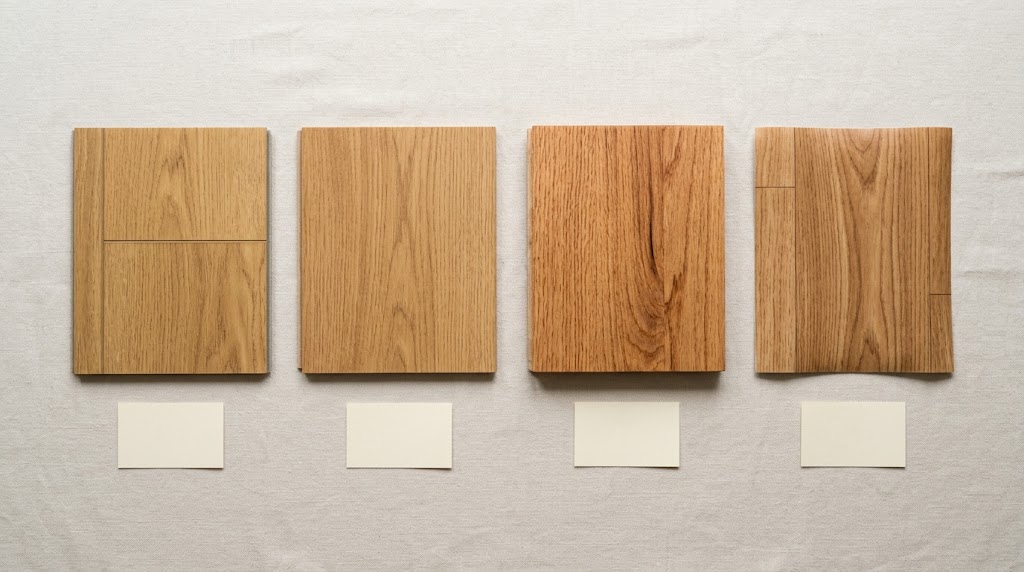
- Order samples and look at them in your own light, morning and night.
- Buy 10 percent extra from the same lot.
LVP Flooring FAQs
What is the downside of LVP flooring?
LVP can dent under heavy furniture, scratch under sharp objects, and it can’t be refinished like hardwood. Cheap planks may show gaps, fade in sunlight or feel thin. Most problems come from a low quality product or a poor installation, not the material itself.
What’s better, LVP or laminate?
For wet areas, LVP wins because its planks don’t swell. Laminate can cost less and feel firmer, but water damage at the edges is a real risk. For kitchens, bathrooms, basements and homes with pets, most people are better served by LVP.
What’s the difference between LVP and vinyl plank?
Vinyl plank is the broad category. LVP is the premium tier, with a thicker wear layer, a denser core and more realistic wood visuals. Standard vinyl plank often has a wear layer around 6 mil, while LVP usually starts at 12 mil.
Does LVP get glued down?
It can, but many products don’t need it. Click lock LVP floats over the subfloor with no glue. Glue down planks are bonded with adhesive and suit large rooms or heavy rolling loads. Peel and stick versions come with adhesive already on the back.
Final Verdict: Is LVP Right for You?
If you want a wood look floor that handles water, pets and kids without drama, LVP flooring is probably right for you. Pay attention to the wear layer, prep the subfloor properly, and don’t buy the cheapest plank just because it’s cheap. Do that and it’ll look good for a long time.
 4.9 on Google14 reviews
 Licensed & InsuredVirginia · Maryland · Washington, D.C.
 Workmanship GuaranteedInstallation backed in writing
 Locally OwnedServing NoVA, MD & D.C.