So you’re staring down a water stained subfloor, or maybe just tired of babying your old laminate, and you’ve landed on LVP waterproof flooring as the answer. Good instinct. It’s one of the few flooring types that can handle a burst dishwasher line and still look fine the next morning. But “waterproof” on a box doesn’t always mean what people assume it means, and that gap trips up a lot of first time buyers. If you want the short version before you commit, our team walks through options during every LVP flooring installation consult, and honestly, the questions we get are almost always the same six or seven. This guide answers them.
What Is LVP Flooring and Is It Actually Waterproof?
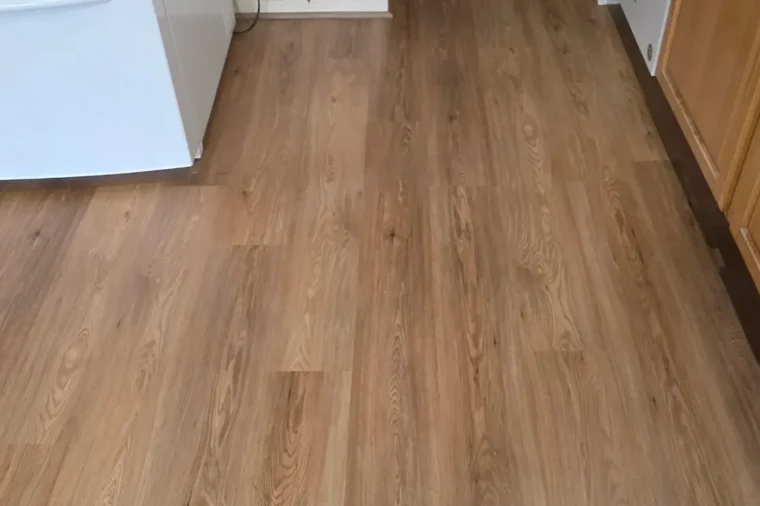
LVP stands for luxury vinyl plank. It’s built in layers: a rigid or flexible core, a printed design layer that mimics wood grain, and a clear wear layer on top that takes the abuse. The core itself, whether it’s SPC (stone plastic composite) or WPC (wood plastic composite), is genuinely waterproof. Water sitting on the surface won’t warp or swell the plank the way it would with laminate or hardwood.
Is LVP flooring actually waterproof? At the material level, yes. That’s not marketing fluff.
Waterproof Plank vs. Watertight Floor: The Gap Competitors Don’t Mention
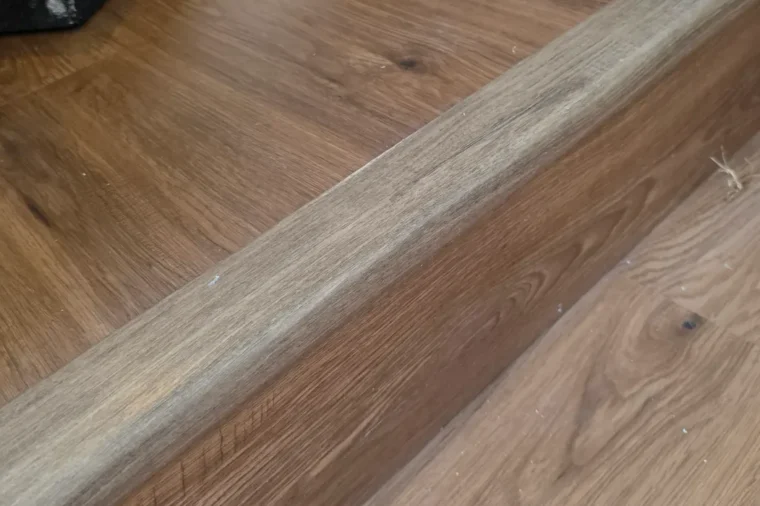
Here’s the part almost nobody selling you a box of vinyl will say out loud. The plank is waterproof. The floor, as a whole system, is only as watertight as the installation. Seams, transitions at doorways, and the edges along a bathtub or kitchen sink are where water actually gets in and causes problems, usually down at the subfloor, not the vinyl itself.
We’ve pulled up plenty of “waterproof” LVP jobs where the planks were fine but the subfloor underneath had been sitting wet for months because a transition strip wasn’t sealed right. That’s an installation failure, not a product failure. It’s a small distinction that makes a big difference in how long your floor actually lasts.
Understanding Wear Layer (Mil) Ratings
6 Mil vs. 12 Mil vs. 20 Mil vs. 30 Mil: What’s the Difference?
The mil rating tells you how thick that clear protective top layer is, measured in thousandths of an inch. Higher mil means better resistance to scratches, dents, and general wear.
- 6 to 8 mil: light residential use, low traffic rooms
- 12 mil: standard bedrooms and living rooms
- 20 mil: kitchens, hallways, homes with kids or one dog
- 30 mil: heavy traffic, multiple pets, rental properties where tenants won’t treat the floor gently
Which Mil Thickness Fits Your Household?
If you’re outfitting a guest bedroom, don’t overspend on 30 mil. If you’ve got two large dogs and a kitchen that sees daily chaos, 20 mil minimum is worth the extra cost up front. It’s cheaper than refinishing (which you can’t do with LVP anyway) or replacing planks in three years.

Pros of LVP Waterproof Flooring
- Handles spills, pet accidents, and humidity without swelling
- Warmer and softer underfoot than tile, especially with attached pad
- Click lock versions install in a weekend without glue or nails
- Looks close enough to real hardwood that most guests won’t clock the difference
- Low maintenance. A damp mop and regular sweeping is basically the whole routine
Cons of LVP Waterproof Flooring (What Retailers Won’t Tell You)
Nobody selling you flooring wants to lead with the downsides, but you should know them going in.
- Heavy furniture legs can dent it permanently, and unlike hardwood, you can’t sand it out
- Cheaper mil ratings scratch faster than the marketing photos suggest
- Some budget lines carry a noticeable VOC smell for the first week or two after install
- Resale value doesn’t match solid hardwood, if that’s a factor for your home
- Direct sun exposure over years can fade cheaper vinyl faster than people expect
How Much Does LVP Waterproof Flooring Cost?
Material Cost Per Case or Square Foot
Most LVP runs somewhere between two and six dollars per square foot for materials, depending on brand, mil rating, and whether the pad is pre attached.
DIY vs. Professional Installation Cost
Click lock LVP waterproof flooring is genuinely doable as a DIY project for a patient homeowner, which saves you the labor cost entirely. Glue down installation, though, is a different animal. It requires subfloor prep most people underestimate, and a bad glue job is expensive to fix later. For anything beyond a small room, professional installation typically runs one and a half to three dollars per square foot on top of materials.
Hidden Costs People Forget
- Underlayment, if your chosen product doesn’t have it attached
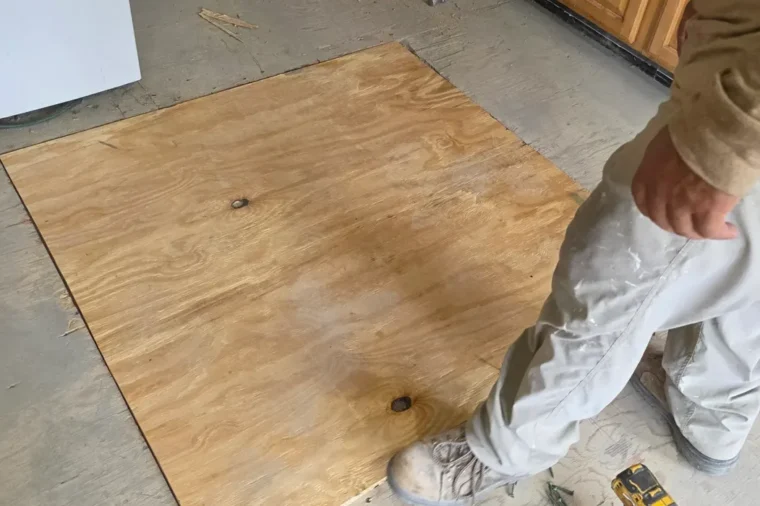
- Subfloor leveling or moisture barrier prep
- Removal and disposal of old flooring
- Transition strips and trim, which add up fast in a multi room job
Best Rooms for LVP Waterproof Flooring
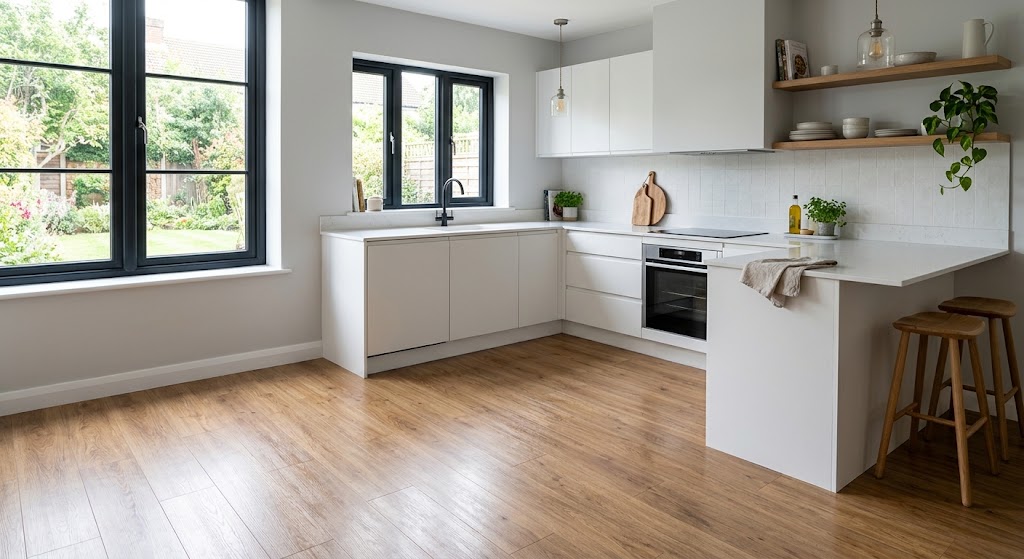
Kitchens and bathrooms are the obvious fit, given the moisture exposure. Basements benefit too, especially with a moisture barrier underneath since below grade humidity is a different challenge than a spilled glass of water. Whole home installs work well if you want visual consistency room to room without worrying about wet zones. The one place we’d pause on is a sunroom with heavy direct light all day. Cheaper vinyl can fade there faster than you’d want.
Click Lock vs. Glue Down Installation: Which Should You Choose?
Click lock is the more forgiving option for most homeowners. It floats over the subfloor, expands and contracts naturally with temperature, and doesn’t require adhesive. Glue down creates a more permanent, slightly more stable floor, but it demands a nearly perfect subfloor and isn’t a great first time DIY project. If you’re not sure which fits your space, that’s exactly the kind of call worth getting a second opinion on before you order materials. Our LVP flooring installation page breaks down which method fits which room type.
LVP Waterproof Flooring in the DMV Climate
DC, Maryland, and Virginia summers bring humidity that a lot of flooring simply doesn’t handle well over time. Basements in older homes across the region are especially prone to seasonal moisture swings. LVP waterproof flooring, installed correctly with the right underlayment and moisture barrier, holds up well against that. It’s part of why we get so many calls about it specifically for below grade spaces. We’ve also written about how this compares to laminate for anyone weighing both options in a humid climate, which you can read on our page about whether laminate flooring is actually waterproof.
Not sure which waterproof floor suits which room? See waterproof flooring types and the best choice for every room, and when you are ready to hire, what to ask vinyl flooring contractors.
Final Verdict: Is LVP Waterproof Flooring Worth It?
For most homes, yes. It’s not perfect. It dents under heavy furniture, cheaper lines can fade, and resale value won’t match solid hardwood. But for the price, the moisture resistance, and the ease of maintenance, it’s hard to beat for kitchens, bathrooms, basements, and busy households. If you want a second opinion on whether it fits your specific space, our team at Fixo DMV has installed enough of these floors across the region to tell you honestly whether it’s the right call. Learn more about who we are on our about page.
FAQs
Is LVP flooring actually waterproof?
The plank material itself is waterproof, but the overall floor’s water resistance depends heavily on proper installation at seams and transitions.
What’s the best waterproof LVP flooring?
Look for a mil rating matched to your traffic level (20 mil or higher for kitchens and high traffic areas) from an established brand with a solid warranty.
What is the downside of LVP flooring?
It can dent under heavy furniture, can’t be refinished like hardwood, and lower mil products scratch faster than expected.
Which LVP waterproof flooring is 100% waterproof?
Rigid core SPC and WPC vinyl plank products are considered fully waterproof at the plank level, unlike traditional laminate.
Is it cheaper to do LVP or tile?
LVP is generally cheaper for both materials and installation labor, and it installs faster than tile in most cases.
How do I clean LVP waterproof flooring without damaging it?
Stick to a dry or slightly damp mop and avoid steam cleaners, which can affect the seams over time. We cover the full routine in our LVP flooring cleaning guide.
 4.9 on Google14 reviews
 Licensed & InsuredVirginia · Maryland · Washington, D.C.
 Workmanship GuaranteedInstallation backed in writing
 Locally OwnedServing NoVA, MD & D.C.