Laminate vs hardwood comes down to this: laminate is cheaper, more scratch resistant and better with pets and kids, but it can’t be refinished and lasts 15 to 25 years. Hardwood costs more and scratches more easily, but it’s real wood, it can be sanded and refinished, and it can last for decades and help resale. In Northern Virginia, laminate installs for about $5 to $9 per square foot and hardwood for about $10 to $18.
Both floors give you a wood look, and good laminate is now hard to tell from real wood at a glance. The differences show up later: how they handle a dog, a spilled water bowl, a sunny window, a buyer’s walkthrough, and 20 years of wear. This guide compares them point by point, room by room, and over the full life of the floor, so you can pick the right one for each part of your house.
In this guide Laminate vs Hardwood
- What laminate and hardwood actually are
- Laminate vs hardwood side by side
- Cost: upfront and over the life of the floor
- Durability: scratches, dents, water and sun
- Look, feel and sound
- Resale value
- Laminate vs hardwood room by room
- The middle option: engineered hardwood
- How to tell laminate from hardwood
- Which should you choose?
- Frequently asked questions
What laminate and hardwood actually are
Laminate is a high-density fiberboard core topped with a photo of wood and a clear, very hard wear layer. It clicks together and floats over the subfloor. Its toughness is graded with an AC rating, from AC1 for bedrooms to AC5 for heavy commercial use.
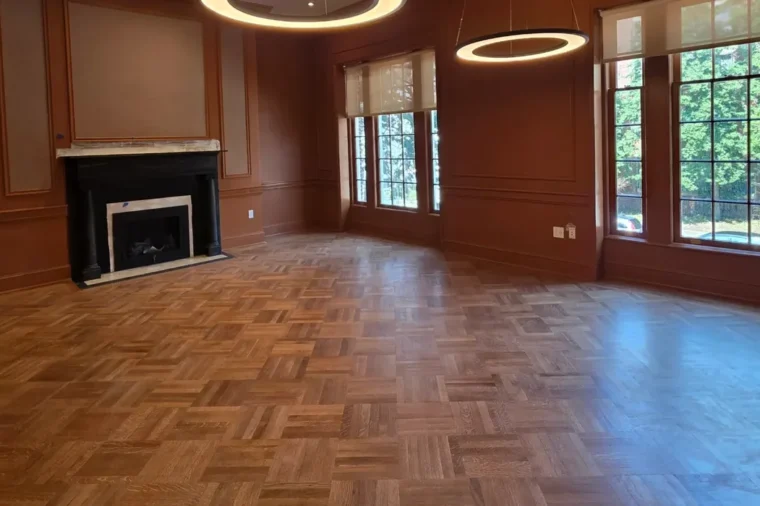
Hardwood is real wood. Solid hardwood is one piece of wood, usually 3/4 inch thick, nailed to a wood subfloor. Engineered hardwood is a real wood top layer on a stable plywood or composite core, and it can be nailed, glued or floated. Hardwood’s surface hardness is measured on the Janka scale; red and white oak, the most common hardwood floors in American homes, sit in the middle of it.
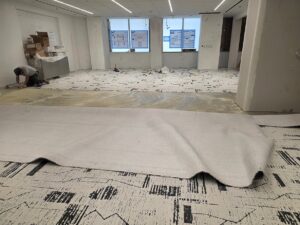
Laminate vs hardwood side by side
| Laminate | Solid hardwood | |
|---|---|---|
| Installed cost in the DMV | About $5 to $9 per sq ft | About $10 to $18 per sq ft for most projects |
| Typical lifespan | 15 to 25 years | 50+ years with refinishing |
| Can it be refinished? | No; damaged boards are replaced | Yes, several times |
| Scratch resistance | High (AC4 and AC5) | Moderate; depends on species and finish |
| Water | Resists spills on top; seams and core swell if water gets in. Waterproof-rated versions resist for a set time | Damaged by standing water; cups and stains |
| Sun fading | Very resistant | Changes color over time |
| Feel and sound | Harder, can sound hollow without good underlayment | Solid, warmer, quieter |
| Installation | Floating, fast, works over many existing floors | Nailed to wood subfloor; not on concrete or below grade |
| Basement use | Only dry, above-grade levels | No |
| Resale perception | Seen as a budget or mid-range floor | A selling point in most listings |
Cost: upfront and over the life of the floor
Upfront, laminate wins clearly. A 600 sq ft main level costs roughly $3,000 to $5,400 in laminate, against about $6,000 to $10,800 in hardwood at typical DMV rates. Our hardwood floor installation cost guide and laminate flooring cost calculator break those numbers down.
Over the life of the floor, the gap narrows. Divide the installed price by the years you’ll get from it:
| Floor | Mid-range installed price | Realistic life | Rough cost per sq ft per year |
|---|---|---|---|
| Laminate (AC4) | $7 | 20 years | About $0.35 |
| Engineered hardwood | $12 | 30 years | About $0.40 |
| Solid hardwood | $14 | 50 years | About $0.28, plus periodic refinishing |
The honest takeaway: if you’ll be in the house five to ten years, laminate is the better use of money. If it’s your long-term home, solid hardwood costs about the same per year and keeps its value. For how long laminate really holds up, see how long laminate flooring lasts.
Durability: scratches, dents, water and sun
Scratches and dents. Laminate’s wear layer is harder than the finish on hardwood, so it resists claws, toys and chair legs better. Hardwood scratches and dents more easily, especially softer species, but scratches can be sanded out. A badly scratched laminate board has to be replaced.
Water. Neither is a wet-room floor. Laminate shrugs off a quick spill on the surface, but water that reaches the seams swells the fiberboard core for good. Hardwood also swells, cups and stains under standing water, though a single board can sometimes be sanded or replaced. Waterproof-rated laminate buys you time; read what the waterproof label on laminate actually promises.
Sun. Laminate’s printed layer barely fades. Hardwood changes color with UV light; cherry darkens, oak ambers, and rugs leave outlines.
Pets and kids. For dogs and busy households, laminate’s scratch resistance is a real advantage, as long as water bowls and accidents don’t sit on the seams. See our best flooring for dogs and pets guide.
Look, feel and sound
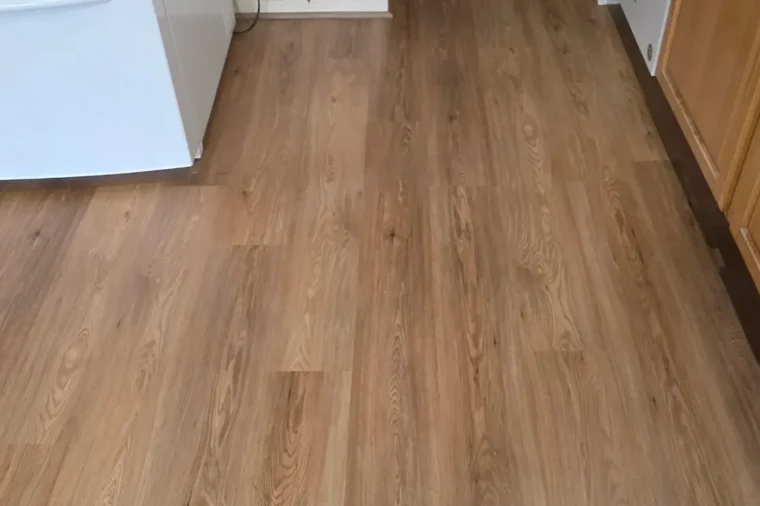
Modern laminate uses embossed textures that line up with the printed grain, and wide, long planks with fewer repeats. Across a room, it can pass for wood. Up close and underfoot, the differences show: real wood varies board to board, feels warmer, and sounds more solid.
The biggest complaint about laminate is noise. Because it floats, it can sound clicky or hollow, and footsteps carry to the floor below. A quality acoustic underlayment and a flat subfloor fix most of this. Nailed-down hardwood is naturally quieter.
Resale value
Real estate listings in Northern Virginia lead with “hardwood floors” for a reason: buyers see it as a premium feature. Laminate is accepted, especially in basements and newer townhomes, but it’s rarely a selling point and some buyers see it as a cost-cutting choice. If you’re selling within a few years in a higher-end neighborhood, hardwood or engineered hardwood in the main living areas usually earns its cost back better than laminate.
Laminate vs hardwood room by room
| Room | Better choice | Why |
|---|---|---|
| Living and dining rooms | Hardwood (or engineered) | Looks and resale matter most here |
| Bedrooms | Either | Low traffic; choose by budget |
| Kitchen | Waterproof laminate or engineered; better still, LVP | Leaks and spills; see laminate in the kitchen |
| Homes with large dogs | Laminate (AC4+) | Better scratch resistance |
| Basement | Neither below grade; use LVP | Slab moisture; see waterproof basement flooring |
| Bathrooms and laundry rooms | Neither | Use tile or waterproof LVP |
| Rental property | Laminate or LVP | Cheaper to replace between tenants |
| Upstairs over living space | Hardwood, or laminate with acoustic underlayment | Footstep noise |
The middle option: engineered hardwood
If you want real wood but laminate’s practicality, engineered hardwood sits in between. It’s real wood on top, more stable than solid wood in DMV humidity, can be floated over concrete or existing floors, and installs in a day or two. It costs more than laminate and less than most solid hardwood, and many products can be refinished once or twice. Compare it properly in engineered hardwood vs hardwood, or see all three side by side in LVP vs laminate vs engineered hardwood.
How to tell laminate from hardwood
- Look for repeats. Laminate’s printed pattern repeats every few boards. Real wood never repeats exactly.
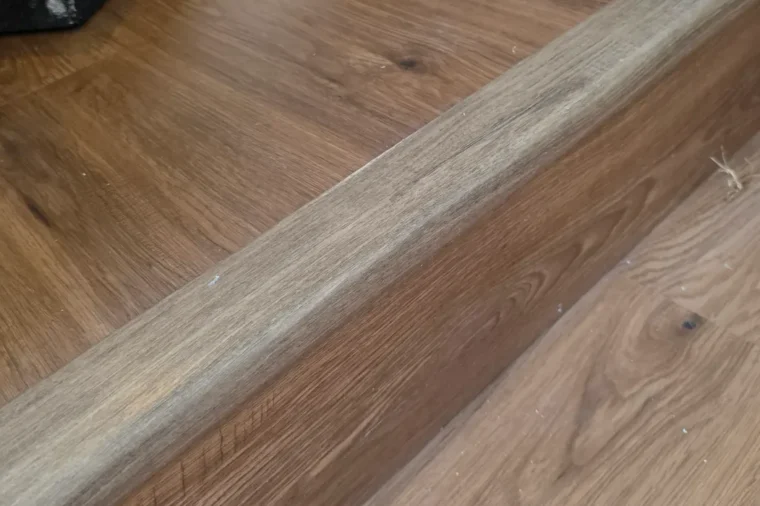
- Check an edge. At a floor vent or stair nose, laminate shows a fiberboard core; hardwood shows wood all the way through, or wood on plywood if it’s engineered.
- Tap it. Laminate sounds hollower and more plastic. Hardwood sounds duller and more solid.
- Feel the texture. Wood grain varies naturally. Laminate texture is uniform board to board.
Which should you choose?
Choose laminate if you have large dogs or young kids, you’re on a budget, it’s a rental or a home you’ll sell within a few years, or you want it installed fast over an existing floor.
Choose hardwood if it’s your long-term home, resale matters in your neighborhood, you want a floor that can be refinished instead of replaced, or you love the feel and sound of real wood.
Choose engineered hardwood if you want real wood over concrete, in a condo, or on a faster timeline. Many DMV homeowners split the difference: hardwood or engineered in the living areas, laminate in bedrooms and upstairs, and LVP in kitchens and basements. Our room-by-room guide to the best flooring for a house helps you plan that mix.
Get both priced at once with FIXO
FIXO installs both laminate flooring and factory-finished engineered hardwood flooring across Northern Virginia, Maryland and DC. The 60-second instant quote gives you a fixed price instead of a range, so you can compare real numbers. An installer checks your subfloor within 48 hours, and most installs finish in 1 to 2 days. You can also follow FIXO on GitHub.
Frequently asked questions
Is laminate better than hardwood?
Laminate is better for budgets, pets, kids and busy households because it’s cheaper and more scratch resistant. Hardwood is better for long-term value, resale and a floor that can be refinished. Neither is right for bathrooms or below-grade basements.
Is laminate cheaper than hardwood?
Yes. In Northern Virginia, laminate typically installs for about $5 to $9 per square foot, while hardwood runs about $10 to $18 per square foot for most projects. Over its full life, though, solid hardwood can cost about the same per year because it lasts much longer.
Does laminate flooring add value to a home?
Laminate adds value compared with worn carpet or damaged floors, but buyers usually value it less than hardwood. In higher-end neighborhoods, hardwood or engineered hardwood in the main living areas tends to help resale more.
Which is more durable, laminate or hardwood?
Laminate is more resistant to scratches, dents and sun fading. Hardwood lasts far longer overall because it can be sanded and refinished several times, while laminate must be replaced once it’s worn or water damaged.
Is laminate louder than hardwood?
Usually, yes. Laminate floats over the subfloor and can sound hollow or clicky underfoot. A quality acoustic underlayment and a flat subfloor reduce the noise. Nailed-down hardwood is naturally quieter.
Can you put laminate next to hardwood?
Yes, with a transition strip at the doorway. Match the floor heights and choose a laminate color that complements the hardwood rather than trying to match it exactly, because a near-match usually looks like a mistake.
Final Thoughts
In the laminate vs hardwood decision, there’s no single winner. Laminate is the smart, tough, budget-friendly floor for busy rooms and shorter stays. Hardwood is the long-term investment for living areas and resale. Engineered hardwood sits in between. Choose by room, by how long you’ll stay, and by what your household puts the floor through.
Want real numbers for both? Get a fixed price in 60 seconds or call (757) 589-6859, any day from 8am to 8pm.
 4.9 on Google14 reviews
 Licensed & InsuredVirginia · Maryland · Washington, D.C.
 Workmanship GuaranteedInstallation backed in writing
 Locally OwnedServing NoVA, MD & D.C.