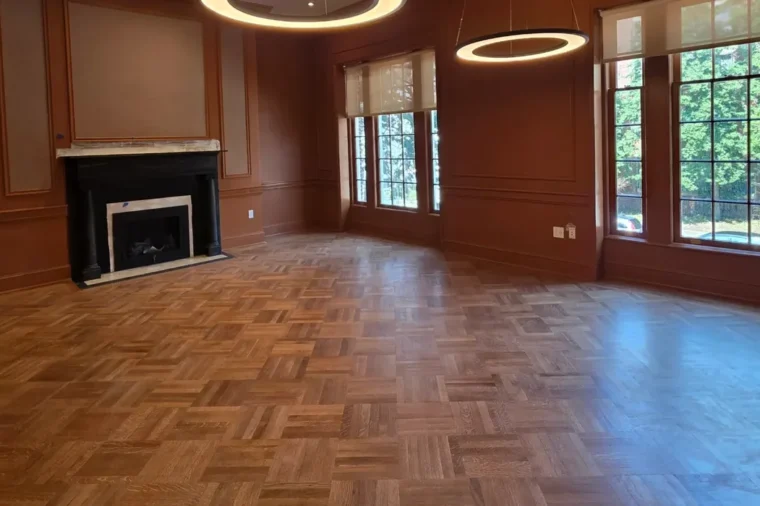
Washington DC tile flooring is shaped by the city’s housing: century-old rowhouses with small bathrooms and original hexagon tile, damp rowhouse basements, and condo buildings with strict sound and approval rules. Porcelain handles most DC rooms best, from small hexagon mosaics in period bathrooms to large-format tile in modern condos. Tiling sits on the DC Department of Buildings no-permit list, and national installed prices average roughly $16 to $20 per square foot.
Washington DC tile flooring isn’t a generic project. A Petworth rowhouse bathroom built in the 1920s, a Capitol Hill basement that sits below the street, and a NoMa condo on the ninth floor each start from a different subfloor, a different set of rules and a different idea of what looks right. The tile that suits one can be wrong for the next.
This guide covers Washington DC tile flooring by home type, six tile choices that work well here, when to save original tile, DC rules, older-home hazards, cost and how to choose installers. Alvin put it together for FIXO, whose crews set tile in DC rowhouses, condos and shops as well as in Maryland and Northern Virginia.
What this DC tile guide covers
Key takeaways
- Porcelain is the most practical tile for DC rowhouses, basements and condos because it shrugs off water and wear.
- Small white hexagon tile is the classic look for older DC bathrooms, and it’s still made today in porcelain.
- Tiling is on DC’s no-permit list, but moving walls or plumbing needs permits, and condo boards usually need to approve the work.
- Homes built before 1978 need lead-safe work practices, and old vinyl tile or adhesive under a floor may need asbestos testing.
- Homewyse puts the national average for an installed tile floor at about $16.38 to $20.21 per square foot as of May 2026.
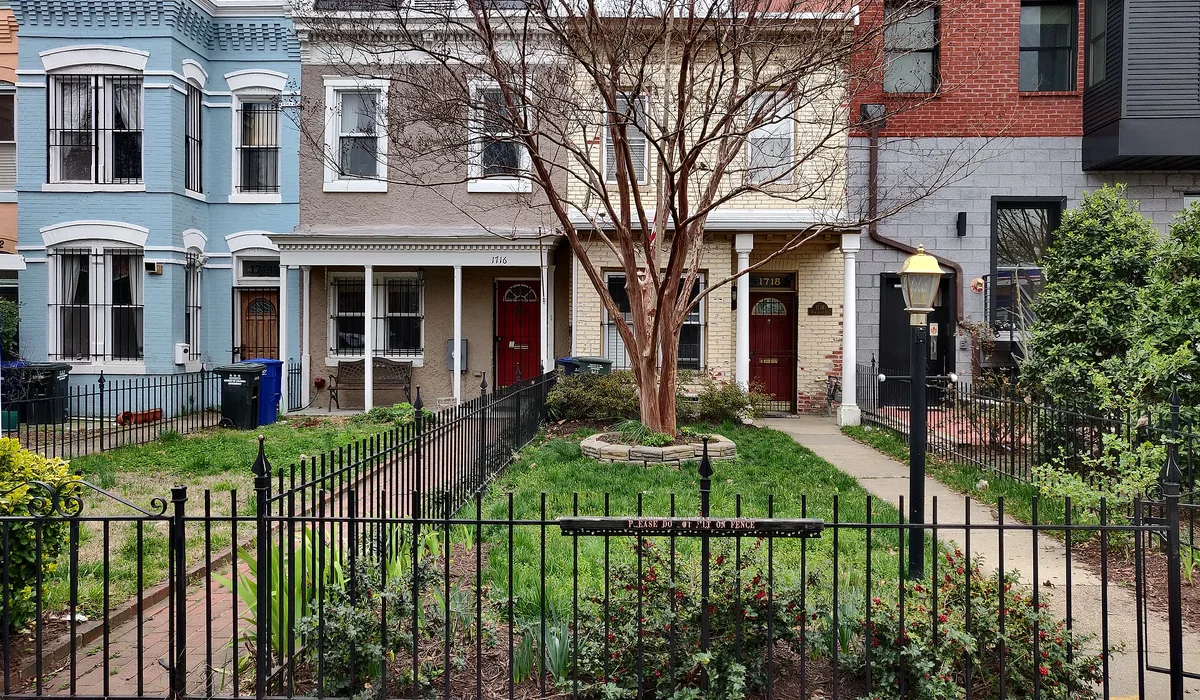
Washington DC Tile Flooring by Home Type
The right tile and the right prep depend on what kind of building you’re in. These four cover most Washington DC tile flooring projects.
| Home type | Typical tile rooms | What to watch for |
|---|---|---|
| Rowhouse, 1890s to 1940s | Small bathrooms, kitchens, entry vestibules | Uneven joists, original tile, old plumbing |
| Rowhouse basement or English basement | Full floor, bathroom, laundry | Damp slabs, low ceilings, drains |
| Condo or apartment building | Bathrooms, kitchens, entries | Sound rules, board approval, elevator access |
| Commercial space | Restrooms, kitchens, retail floors | Slip resistance, after-hours work, permits for build-outs |
Rowhouses
Rowhouses in neighborhoods like Petworth, Bloomingdale, Capitol Hill and Columbia Heights often have narrow bathrooms on the second floor, framed with joists that have settled over a century. Tile there needs a stiff, flat base, which usually means new plywood and a backer board or membrane before any tile goes down. Doorways are tight, so thick build-ups can create a step at the hall.
Rowhouse Basements
Many DC basements sit partly below grade, and slabs can be damp. Porcelain tile set on a clean, sound slab is one of the few floors that tolerates that well. A moisture check and a look at drainage come first, and ceilings are often low enough that a thin build-up matters.
Condos and Apartments
In concrete condo buildings, the tile itself is rarely the hard part. The rules are. Many associations require a sound-rated underlayment under hard floors, written approval before work starts, proof of insurance and booked elevator time. Get the building’s flooring rules in writing before choosing tile.
Six Tile Picks That Work in DC Homes
These six options cover most of what DC homeowners ask for, from period-correct bathrooms to modern open-plan condos.
1. White Hexagon Tile
Small white hexagon tile, often with a black border or flower pattern, is the classic floor in early 20th-century DC bathrooms. Modern porcelain hexagon tile recreates that look with better stain resistance. The many grout lines also add grip underfoot, which helps in a wet bathroom.
2. Penny Round and Small Mosaics
Penny rounds and other small mosaics come in mesh-backed sheets and follow small slopes well, which makes them good for shower floors. They suit period homes as much as hexagon tile does.
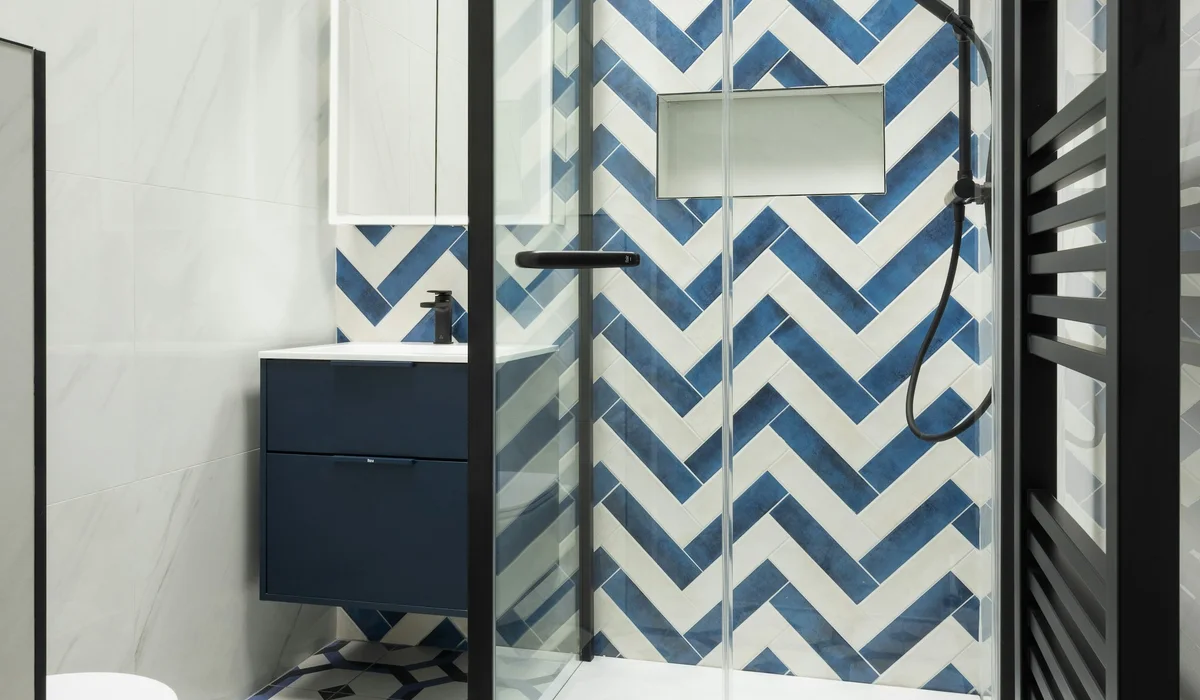
3. Patterned and Encaustic-Look Tile
Patterned porcelain that copies cement or encaustic tile brings color and pattern to entries, powder rooms and kitchens. Porcelain versions avoid the sealing and staining issues of real cement tile.
4. Checkerboard
Black and white checkerboard suits rowhouse kitchens and vestibules and has been used in DC homes for generations. Larger squares read more modern, smaller ones more traditional.

5. Large-Format Porcelain
Tiles of 24 inches or larger give condos and renovated open-plan rowhouses a clean, modern look with few grout lines. They need a very flat subfloor and careful setting, so they cost more to install than smaller tiles.
6. Wood-Look Porcelain Plank
Porcelain planks that look like wood work well in basements and kitchens where real wood would struggle with moisture. They pair with hardwood on upper floors for a consistent look.
Washington DC Tile Flooring by Room
Each room in a DC home puts different demands on tile. Use these as starting points when you talk to DC tile installers.
| Room | Good tile | DC-specific notes |
|---|---|---|
| Bathroom | Porcelain hexagon tile, penny rounds, matte porcelain | Tight rowhouse layouts; check the joists under old tubs |
| Kitchen | Porcelain, checkerboard, large format in condos | Dishwasher height; long transitions to dining-room wood |
| Entry vestibule | Patterned porcelain or mosaic | Winter salt and grit; meeting original wood floors |
| Basement | Porcelain or wood-look porcelain plank | Moisture check, drains, low ceilings |
| Laundry | Textured porcelain | Water shutoffs, machine weight, any floor drain |
Upper-floor laundry rooms, common in renovated rowhouses, should get a waterproofing membrane under the tile and a drain pan under the washer. A leak there reaches the ceiling below quickly, and tile alone won’t stop it.
Rowhouse vestibules are a DC signature: the small tiled entry between the front door and the main hall. Patterned tile or a mosaic there sets the tone for the whole house, and durable porcelain stands up to the salt and grit tracked in every winter.
Kitchens in renovated rowhouses often open into the dining room, so the tile meets hardwood along a long edge. Landing that edge on a straight line, ideally at a cabinet run or under a beam, keeps it from looking like an afterthought. In condos, kitchens and bathrooms are the rooms boards regulate most, because hard floors there often sit above a neighbor’s bedroom.
Should You Save Original Hexagon Tile?
Many DC homeowners find original hexagon tile under vinyl or carpet, or still exposed in a bathroom. Saving it is worth considering when the tile is mostly intact and well bonded.
- Save it if most tiles are sound and only a few are cracked or missing. Matching replacement hexagon tile can be set in small areas, and the floor can be deep cleaned and regrouted.
- Replace it if large areas are loose, the floor bounces, or plumbing changes mean cutting through much of it.
- Check the build-up. Old tile is often set in a thick mortar bed, which raises the floor and makes removal heavy work.
Keeping original hexagon tile also keeps a detail that buyers of older DC homes often look for. If you replace it, new porcelain hexagon tile is the closest modern match.

Permits, Historic Districts and Condo Rules in DC
Most Washington DC tile flooring projects are finish work. Tiling, carpeting and similar finish work appear on the DC Department of Buildings no-permit list, though historic-district properties are handled separately. Interior alterations and basement finishing, by contrast, sit on the permit side of that list.
For historic districts, the DC Office of Planning explains that interior alterations need a permit but not historic preservation review, except in specifically designated historic interiors. In practice, a new bathroom floor in a Capitol Hill or Dupont Circle rowhouse is reviewed like any other interior project.
- New floor tile only: generally on the no-permit list.
- Moving walls, plumbing or drains: needs permits and licensed trades.
- Condos: board approval, insurance certificates and sound rules apply on top of city rules.
- Contractor license: anyone doing home improvement work for pay needs a DLCP license, plus a bond and insurance.
DC’s Office of the Attorney General also advises getting a written contract that includes the contractor’s DC license number, payment terms and dates, as its home improvement guidance explains.
Lead and Asbestos in Older DC Homes
Most DC rowhouses went up decades before lead paint was banned for homes in 1978. Under the EPA’s Renovation, Repair and Painting rule, contractors who disturb paint in pre-1978 homes must use lead-safe methods, and pulling up a bathroom floor usually means touching painted baseboards, door frames and walls.
Older floors can also hide vinyl tile or black adhesive under the visible layer. Some flooring and adhesives from past decades contained asbestos, so they should be tested before anyone grinds or scrapes them. A good installer asks about the home’s age and what’s under the current floor before quoting.
What Goes Under the Tile
Any bounce in the floor eventually shows up as cracked tile or grout, and century-old DC joists bounce more than most. As a tile-industry rule of thumb, ceramic and porcelain want a floor stiff to L/360, while natural stone needs roughly twice that stiffness, L/720. Settled rowhouse joists may need sistering or blocking before stone goes down.
- Over wood: sound plywood plus cement backer board or an uncoupling membrane.
- Over concrete: a clean, flat slab, with a crack isolation membrane over hairline cracks.
- In condos: an approved sound-rated underlayment under the tile.
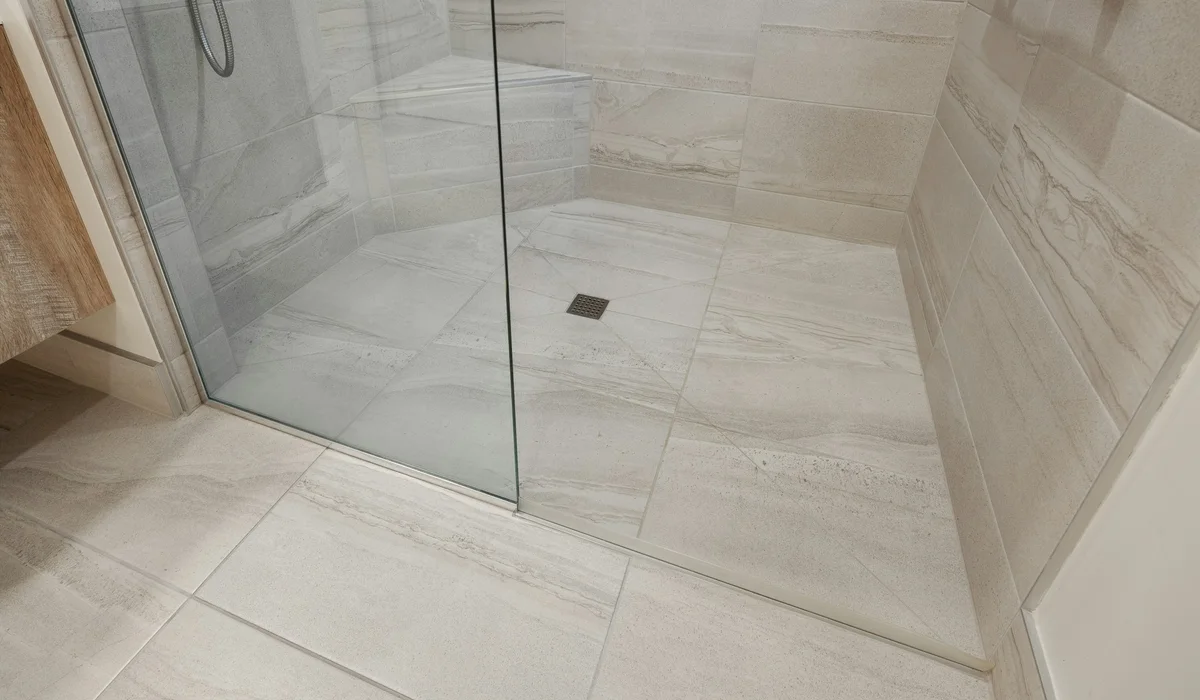
- In showers: a sheet or liquid waterproofing layer, since tile and grout let water through.
Our guide to bathroom floor tile installation walks through each layer step by step.
What Washington DC Tile Flooring Costs
Homewyse’s tile floor cost estimate puts the national average for installing a tile floor at about $16.38 to $20.21 per square foot as of May 2026, based on mid-range ceramic tile and favorable site conditions. DC jobs often run higher because of older framing, access and parking.
| Factor | Effect on cost |
|---|---|
| Tile size and type | Mosaics and large-format porcelain take longer to set than standard tile |
| Removing old tile | Mortar-bed floors are heavy and slow to break out |
| Subfloor work | New plywood, sistered joists or leveling add to the total |
| Condo requirements | Sound underlayment and scheduled access add time |
| Access and parking | Rowhouse stairs and street parking slow deliveries and debris removal |
| Older-home testing | Lead-safe practices and asbestos testing where needed |
Ask DC tile installers to list removal, prep and setting as separate lines so you can see where the money goes. Our tile flooring installation cost guide breaks down line items for DMV projects in more detail.
How a DC Tile Job Runs
A small bathroom floor usually takes three to five days in an older DC home, longer if the old floor is a mortar bed or the subfloor needs work.
- Visit and measure. The installer checks the subfloor, the old tile and access.
- Approvals. Condo paperwork and any permits for plumbing or wall changes.
- Protect and remove. Hallways and stairs are covered, and the old floor comes out with dust control.
- Prep the base. Plywood, backer, membrane or leveling as needed.
- Set tile. Layout is planned from the doorway so the cut tiles land in less visible spots.
- Grout and finish. Grout cures, the toilet and trim go back, and transitions are fitted.
Choosing DC Tile Installers
Good DC tile installers know older buildings as well as tile. Ask these questions before hiring:
- Are you licensed with DLCP, and is the license number on the contract?
- How will you check and stiffen the subfloor in an older rowhouse?
- Do you follow lead-safe practices in pre-1978 homes?
- Will you handle condo approvals, insurance certificates and elevator bookings?
- Have you set hexagon tile or mosaics before? Can I see photos?
- What’s included: removal, prep, membrane, grout, sealing and cleanup?
DC tile installers who answer these clearly in writing are easier to compare, and their quotes are less likely to grow once the old floor is up. For tile work outside the District, see our guide to tile installation in Maryland.
Caring for Tile in DC Homes
Porcelain tile asks for very little, but grout and natural stone need some attention:
- Use a pH-neutral cleaner. Harsh acids etch stone and wear down grout sealers.
- Rinse off winter salt. Entry vestibules collect salt that leaves a white film on tile and grout.
- Seal cement-based grout and natural stone as the maker recommends, often every year or two.
- Keep spare tiles. Mosaics and hexagon tile can be hard to match later, so store a few sheets after the job.
A small box of spare tile in the basement turns a cracked tile years from now into a quick repair instead of a hunt for a discontinued product.
Washington DC Tile Flooring FAQs
Do I need a permit for tile flooring in DC?
Usually not for the tile alone. Tiling appears on DC’s no-permit list for finish work, with separate rules for historic-district properties. Moving walls or plumbing, or finishing a basement, does need permits, and condo boards usually require approval.
What tile is best for an older DC rowhouse bathroom?
Small porcelain hexagon tile or penny rounds suit the period and give good grip when wet. They also flex less visibly over older floors than large tiles. Whatever you choose, the subfloor needs to be stiff and flat first.
How much does tile flooring cost in Washington DC?
Homewyse puts the national average for an installed tile floor at about $16.38 to $20.21 per square foot as of May 2026. DC jobs often cost more because of older framing, mortar-bed removal, condo requirements and access.
Can original hexagon tile be repaired?
Often, yes. Loose or cracked hexagon tiles can be replaced with matching porcelain pieces, and the floor can be deep cleaned and regrouted. If large areas are loose or the floor bounces, replacement is usually the better choice.
Is tile a good choice for a DC basement?
Porcelain tile is one of the best basement floors because water doesn’t damage it. The slab needs a moisture check, cracks need attention, and any drainage problems should be fixed first.
Do DC condos allow tile floors?
Most do, but many require a sound-rated underlayment and written approval before installation. Get the building’s written flooring rules from management first, so the underlayment in your quote matches what the board will accept.
Planning Your Tile Project
Good Washington DC tile flooring starts with the building: how old it is, what’s under the floor and who has to approve the work. Choose porcelain for durability, hexagon or mosaics for period bathrooms, and large formats only over a truly flat base.
FIXO installs tile for DC homes, condos and businesses. See our tile flooring installation page, our flooring installation in Washington DC page, or use the instant quote form to share your room size.
 4.9 on Google14 reviews
 Licensed & InsuredVirginia · Maryland · Washington, D.C.
 Workmanship GuaranteedInstallation backed in writing
 Locally OwnedServing NoVA, MD & D.C.